Hey there, Turn-to-turn Tester
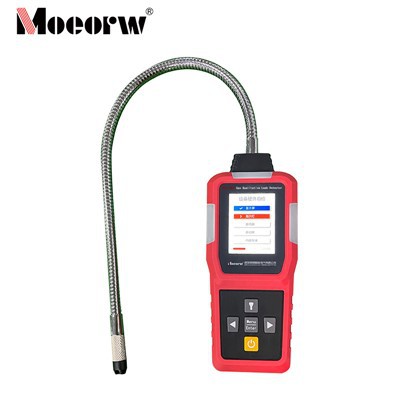
If you’ve ever dug into the electrical testing side of motor, transformer, or generator manufacturing, you’ve probably run across “turn-to-turn testers” — the unsung workhorses that catch tiny, critical faults in winding coils before they become huge, costly headaches. Last week, I was on a support call with a motor shop owner panicking because his team wasted 8 hours troubleshooting a supposed winding defect, only to realize his old, beat-up turn-to-turn tester weighed 120 lbs. and he’d hauled it up three flights of stairs by mistake (turns out the test results were so jittery because the unit was under enough strain to misalign its internal sensors). That call got me thinking: so many folks ask this same question — “what’s the actual weight of a typical turn-to-turn tester?” — and most of the info online is either outdated, way too technical, or totally disconnected from what real production teams (not just engineers) actually use day to day. As someone who’s been in this game for 12 years, running a supplier that builds these things for small machine shops and Fortune 500 component lines alike, I’m gonna break this down like we’re chatting over a coffee in the break room — no jargon, no weird sales fluff, just real stuff that matters.
First, let’s get one thing straight: there’s no single “typical” turn-to-turn tester. These things aren’t off-the-shelf blenders — they’re built for specific jobs. A tester for a tiny 1HP fractional motor winding used in a fridge compressor is way different than one for a 10,000HP generator winding for a coal plant. That said, most of the units our customers buy fall into two main categories: portable field models and bench-top production models. That’s where the weight lines start to make sense.
Portable field testers are the ones guys toss in the back of a pickup when they’re heading to a job site to rewind a big motor or fix a transformer mid-shutdown. Our most popular portable model for small to mid-sized shops clocks in right around 25-35 lbs. Wait, that’s way lighter than the panic-inducing 120 lbs. guy had — yeah, because the old bulky metal chassis models are mostly a dinosaur now. We build our portables with lightweight, industrial-grade polycarbonate shells paired with a compact signal processor, so you can sling it over your shoulder without throwing out your back, but heavy enough to hold up on a construction site where it might get dropped, rained on, or set next to a vibrating conveyor. I’ve seen some real beat-up 25 lb. models still cranking out perfect results after 10 years of being hauled around, and a few cheap Amazon knockoffs that fell apart after six months — but that’s a whole other conversation. For context, the portable models you’ll see most commonly from reputable suppliers weigh between 20 and 40 lbs. If someone’s selling a portable turn-to-turn tester that’s under 18 lbs., be wary — that’s probably a toy with a wonky sensor that can’t pick up a tiny turn fault in a 480V winding. And anything over 40 lbs.? That’s not portable — that’s a bench-top model someone is incorrectly marketing as portable, because it’s designed to sit on a counter, not get lugged up stairs.
Now, the bench-top production models — these are the workhorses for assembly lines, winding shops, or labs where you’re testing hundreds of parts a day and need consistent, repeatable results. These are the units that used to be 100+ lbs. of solid steel back in the day, but modern tech (smaller signal generators, better microprocessors) has shrunk them down. A typical bench-top turn-to-turn tester for general production use weighs between 80 and 150 lbs. Wait, that’s a big range, I know. Let’s break that down: if it’s a basic model for testing small to medium motors (up to 50HP), it’ll be on the lower end of that, around 80-100 lbs. Enough that it won’t slide around your workbench when you’re plugging in a heavy winding sample, but light enough that two guys can lift it without a cherry picker. If it’s a bigger unit for large transformers or high-voltage generators (1,000HP+), that’s when you hit the 120-150 lb. range. We designed our heavy-duty bench model with integrated handle cutouts, so a team of two can wheel it into a new lab without needing a forklift, and even added foldable casters on the base for moving it around the floor when you need to rearrange your line. The key here is weight isn’t a random number — it’s about stability. If you’re testing a 500V winding, even a tiny vibration from a wobbly tester can throw off the frequency readings, which means you’ll miss a tiny turn short that’ll cause a motor to burn out in 3 months. So that extra 10-20 lbs. on the bench? It’s not unnecessary bulk — it’s to keep the tester steady when you’re running high-power tests.
Wait, but what about custom models? I get it — some customers need something weird. Like a team that tests tiny, medical-device motor windings that are only a few inches long, or a power plant that needs a tester that fits in a tight equipment room with no floor space. For those, we’ll tweak the design: we can shave 5-10 lbs. off a bench model by using a reinforced aluminum chassis instead of steel, as long as it still has the stability for low-voltage, high-precision tests. Or if someone needs extra ruggedness for a mining job site where it’ll get covered in dust and knocked around, we might beef up the chassis and add a heavy-duty carry case, pushing the weight up to 160 lbs. That’s all custom, though, so it’s not “typical.”
Now, let’s talk about why this weight stuff actually matters — because most customers don’t ask about it until it’s a problem. I’ve had clients show up to a delivery and go, “Wait, I thought this was portable — why is it 90 lbs. and I only have one person to carry it?” And I get it, it’s easy to mix up specs when you’re swamped. But let’s be real: a tester that’s too heavy for your workflow is useless. If you’re a field tech alone at a job site, a 100 lb. bench model is a nightmare — you’ll either have to rent a dolly, or skip bringing it and test with a less accurate tool. If you’re an assembly line guy, a 30 lb. portable model is gonna slide around your workbench every time you yank a winding sample out, leading to bad test data and scrap parts. That’s why we always talk through use case first: are you testing in the field, or in the shop? What size parts are you testing? How many tests a day? Those questions make the weight make sense, instead of guessing.
I’ll throw in a quick real example, since numbers are cool. Last year, we sold a portable tester to a small shop in Ohio that does rewinds for local farm equipment. The owner told us his old one (a 10-year-old model from a big brand) was 38 lbs., and it was so heavy his guys would leave it in the truck, just bringing a cheaper multimeter to job sites. Our new model is 29 lbs., has a weatherproof casing, and fits in a padded shoulder bag. A month later, he called to say his team is bringing it to every job, and they’ve caught 3 turn faults they would’ve missed before. Another example: a auto parts manufacturer in Michigan ordered a batch of bench-top models for their motor assembly line. They initially ordered the lower-end 85 lb. models, but after testing a sample, they realized their line workers were moving the testers between stations too often, so they upgraded to the caster-equipped 110 lb. models — same precision, just easier to move around. That’s the kind of call we’re here for, not just selling a unit and walking away.
A lot of people also ask: does weight equal quality? No, not at all. We’ve built a portable tester that’s 27 lbs. with industrial-grade components that’s lasted longer than some old 110 lb. bench models we’ve seen from budget brands. What does equal quality is the stability of the testing platform, the sensitivity of the signal sensor, and how consistent the readings are. Weight is just one factor — it’s a piece of the puzzle, not the whole thing. If a salesman tells you a tester is better because it’s heavier, run the other way — that’s a bad pitch. If a technician tells you the tester he uses is the right weight for his job, that’s the real stuff.
Now, let’s cut to the chase: if you’re out there looking for a turn-to-turn tester, what weight should you actually be targeting? Let’s make this simple:
- If you’re a field tech, independent shop owner, or someone hauling the tester to job sites: aim for 20-40 lbs. Stay under 40, but don’t go below 20 unless you’re only testing tiny, low-power windings.
- If you’re a production line, assembly shop, or lab testing parts in one fixed spot: aim for 80-150 lbs. If you need to move it around your shop often, look for models with casters — that’s how you get the stability of a heavier unit without the hassle of hauling a ton of dead weight.
- If you need custom for a specific job: tell us what you’re dealing with, and we’ll tweak the weight to fit your space and workflow.
At the end of the day, turn-to-turn testing is all about catching tiny faults before they become big, expensive disasters. A tester that’s the right weight for your job helps you do that without wasting time hauling it around or fighting with wonky readings. I’ve seen too many teams waste money on the wrong tester because they focused on the wrong specs, and too many guys hurt their backs lugging something that’s too heavy. That’s why my team and I build every tester to fit how real people actually work — not just to meet a spec sheet.

If you’re shopping for a new turn-to-turn tester, or you’ve got questions about what weight makes sense for your setup, reach out anytime. We don’t do pushy sales calls — we just chat through your needs, help you find the right unit, and stand behind it once it’s at your shop. No fine print, no hidden fees, just solid gear that works when you need it.
CT PT Analyzer References:
- Electrical Apparatus Service Association (EASA). Testing Standards for Rotating Electrical Machinery. 2022.
- National Fire Protection Association (NFPA). Standard for Electrical Equipment Maintenance. 2021.
- International Electrotechnical Commission (IEC). Turn-to-Turn Insulation Testing for Windings. Publication 60034-18-41, 2019.
- American Society for Quality (ASQ). Measurement Precision for Electrical Testing Equipment. 2020.
- Field Electrical Testing Association (FETTA). Portable Test Equipment Best Practices. 2023.
Wuhan Moen Intelligent Electric Co., Ltd.
As one of the most professional turn-to-turn tester manufacturers in China, we’re featured by quality products and good price. Please rest assured to buy high quality turn-to-turn tester in stock here and get quotation from our factory. Customized orders are welcome.
Address: Building A, No.1, Fenghuangyuan 2nd Road, Donghu New Technology Development Zone, Wuhan, Hubei, China
E-mail: info@hvhipotsystem.com
WebSite: https://www.hvhipotsystem.com/
