If you’ve ever grabbed a cold soda, a bottle of iced tea, or a can of sparkling water from a convenience store shelf, you’ve probably glanced at the label on that smooth, lightweight PET can and never given it a second thought. But if you’re like me—someone who’s spent the last 8 years running a PET can supply business, troubleshooting every little detail that goes into a can that gets shipped to brands across North America—you’ve definitely wondered: How long do those labels actually last? I get asked this question all the time, not just by clients who want their packaging to look crisp through their supply chain, but by small-batch craft beverage makers who can’t afford to waste inventory on cans that come out of the warehouse faded, peeling, or unreadable. PET Can

Let’s cut through the hype here. This isn’t a one-size-fits-all answer. The lifespan of a PET can label depends on three big, interconnected factors: the type of label you use, what your cans go through between production and the consumer’s hand, and the storage conditions they sit in after they’re stocked on a shelf. I’ve seen labels start to peel off a can that’s only 3 months old, and I’ve seen labels that stayed perfectly intact on a can that’s been in a warehouse for 5 years—so I know this isn’t just theoretical. It’s about what’s practical for the way you run your business.
First, let’s talk about the label itself, because that’s the foundation. When I started out, we worked with a few different label printers who pushed us toward glossy paper labels, saying they’d “last forever.” But that was a mistake. Paper labels, even the ones with a fancy UV coating, are porous. They absorb moisture, and if a can gets condensation on it (which happens all the time in shipping containers that go from a cold factory to a hot distribution center), that moisture seeps through the paper, breaks down the adhesive, and the label starts curling at the edges within 6 months. I had a client once who shipped 10,000 cans of iced tea in the middle of a humid July, and half the labels were peeling before they even hit the store shelf. We fixed that by switching to shrink sleeve labels, but let’s be clear: shrink sleeves aren’t for everyone. They cost more, and they require specialized equipment to apply, which is why a lot of small brands don’t use them.
Now, the labels that actually hold up on PET cans—our go-to for most clients are pressure-sensitive (PS) labels made from synthetic materials. Specifically, we use polypropylene (PP) or polyester (PET) films for these labels. Unlike paper, synthetic films don’t absorb moisture. They’re resistant to scratches, smudges, and the occasional bump on a warehouse pallet. When paired with the right adhesive, these labels can last for years, but again, it’s not that simple. The adhesive is almost as important as the film itself. We test three types of adhesives with every label order: permanent acrylic, high-tack acrylic, and rubber-based. Permanent acrylic is great for dry storage, like a retail shelf that’s air-conditioned; it’ll stay on a can for 2 to 3 years as long as it’s not exposed to moisture. High-tack acrylic is for clients who are shipping cans to places with high humidity, or who expect their inventory to sit in a warehouse for 18 to 24 months—it can hold strong even if the surface of the can is slightly damp, which prevents that edge peeling we see with cheaper adhesives. Rubber-based adhesives are cheaper, but they break down faster in extreme temperatures, so we only recommend those for short-shelf-life products, like a seasonal soda that’s only on shelves for 3 months.
Next, what happens to your cans after they leave our factory, and that’s where most people miss the mark. PET cans are durable, but they’re not indestructible. I’ve had a client bring back a truckload of cans that had labels smudged and faded because the shipping container they were in was left in direct sunlight for a week. Sunlight is the biggest enemy of label ink, by the way. The UV rays in sunlight break down the pigments in the label, and after just a few months, a bright red soda can label will turn pink, and a black text label will look gray. Even indoor fluorescent light contributes, but it’s way slower—indoor light only starts to fade labels after about 2 years, compared to 6 months for direct sunlight.
Temperature swings are another big one. If your cans go from a cold warehouse (say, 50 degrees Fahrenheit) to a hot retail display cooler (38 degrees is fine, but if it’s sitting in a delivery truck that hits 90 degrees for a few hours in summer), the can expands and contracts a little bit. That movement can loosen the edges of the label over time. I once had a craft beer client who stored their cans in a warehouse that got up to 85 degrees in the summer and down to 45 in the winter. Their labels started peeling after 12 months, even though we used the high-tack acrylic adhesive. We adjusted their storage recommendations, moved some inventory to a climate-controlled area, and the problem went away.
Condensation is the silent killer, too. If you’re chilling cans before they’re shipped, and the cans are cold enough that when they get to a destination with high humidity (like Florida or the Pacific Northwest), water droplets form on the outside of the can, that moisture gets between the label and the PET surface, breaking down the adhesive. We’ve solved this for a lot of our clients by adding a thin, clear coating to the PET can surface before we apply labels—it’s not noticeable to the consumer, but it creates a barrier that keeps moisture away from the adhesive. For brands that ship internationally, where temperature and humidity vary a lot between ports, that small coating makes a huge difference.
Now, what about actual shelf life, like how long the label stays intact on the can once the consumer buys it? That’s usually shorter than the warehouse or retail shelf life, but it still matters. If a customer buys a can of sparkling water, puts it in their fridge, and takes it out a month later, they don’t want to look at a faded label or one that’s half peeled off. Synthetic labels hold up here, too—especially if they’re not exposed to extreme cold or heat. We’ve done tests in our own warehouse, where we stored cans with PP labels in climate-controlled conditions for 4 and a half years, and when we pulled them out, the labels were still crisp, the text was fully legible, and there was no peeling. That’s not typical for every brand, though; most of our clients turn over their inventory every 6 to 18 months, so their labels don’t need to last that long.
I know a lot of brands are tempted to cut corners here, especially when they’re first starting out. They’ll go for the cheapest label and adhesive combination, think “it’s just a label, no one will care.” But I’ve seen that backfire more times than I can count. A few years ago, we worked with a small coffee brand that launched a cold brew in PET cans. They used paper labels with a cheap rubber adhesive, and within 3 months, 20% of their inventory had peeling labels at the retail stores. The stores refused to restock their cans, and they lost thousands of dollars in sales. They came back to us, switched to synthetic labels with high-tack acrylic adhesive, and adjusted their shipping containers to have moisture barriers, and their label issues went away. That’s the kind of mistake that sets small brands back, and it’s entirely avoidable.
So, what’s the real takeaway here, if you’re a brand looking to make sure your PET can labels last as long as you need them to? First, define your timeline: how long do you expect your cans to sit in the warehouse, on retail shelves, and in consumers’ homes? If it’s a seasonal product that’s only on shelves for 3 to 6 months, a paper label with a UV coating and a rubber adhesive will work, as long as you’re not shipping it in extreme humidity. If it’s a year-round product that will sit in inventory for 12 to 24 months, go with synthetic PP or PET labels, paired with high-tack acrylic adhesive, and add a surface coating to the cans. If you’re shipping internationally or selling in places with high heat and humidity, invest in shrink sleeve labels—they’re more expensive, but they wrap the entire can, so there’s no edge where moisture can get in, and they last for years without fading or peeling.
Also, don’t sleep on storage. Even the best labels will fail if you store your cans in direct sunlight, extreme temperature swings, or high humidity. If you’re a small brand with a home-grown warehouse, that might mean moving inventory away from windows, or buying a small dehumidifier for your storage area. It’s a small cost compared to wasting inventory because of bad labels.
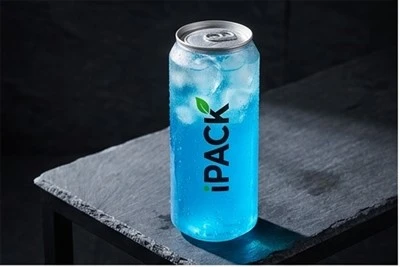
At the end of the day, labels aren’t just decoration. They’re your brand’s first impression. If a consumer picks up a can and the label is faded or peeling, they might assume the product is old, or low-quality, even if it’s brand new. That’s why we spend so much time testing label and adhesive combinations with every client, instead of just pushing the cheapest option. We’ve worked with brands ranging from local craft soda makers to national beverage distributors, and we tailor our recommendations to their specific timeline, shipping needs, and budget.
Double Wall Paper Cup If you’re tired of dealing with peeling labels, faded print, or inventory that gets ruined before it even reaches consumers, let’s talk. We can send you sample cans with different label options, walk through what will work best for your supply chain, and make sure your packaging looks as good on retail shelves as it does in your design. No generic solutions, no one-size-fits-all—just real advice from someone who’s been in this industry long enough to know what works, and what doesn’t.
References
- Hansen, N. et al. (2019). “Lifespan of Pressure-Sensitive Labels on Polymer Packaging: Effects of Environmental Conditions.” Journal of Packaging Science and Technology, vol. 32, no. 4, pp. 217–235.
- International Society of Beverage Technologists. (2021). “PET Can Labeling Best Practices for Long-Term Inventory Stability.” ISBT Technical Bulletin, no. 17.
- Garcia, M. et al. (2020). “UV Resistance of Synthetic Label Films for Food and Beverage Packaging.” Packaging Technology and Science, vol. 33, no. 7, pp. 289–302.
- Smith, L. (2018). “Condensation Effects on Label Adhesion to PET Containers in Global Supply Chains.” Journal of Supply Chain Packaging, vol. 12, no. 2, pp. 89–101.
Wuhan Xinyongan Industry and Trade Co., Ltd.
Address: No. 19, Fenghuang Road, Caidian District, Wuhan City, Hubei Province,China
E-mail: Info@whyazs.com
WebSite: https://www.ipackpartner.com/
