Hey folks, if you’ve ever seen a movie where a SUV takes a shotgun blast to the window and just… holds up, you’ve probably wondered the same thing I get asked every day: is vehicle bulletproof glass actually shock-resistant? Let’s cut the jargon here—since I’m in the business of supplying this stuff to people who actually need it (think security firms, high-profile folks, even some fleet managers dealing with risky routes), I don’t get caught up in the marketing fluff. Let’s break this down like we’re chatting over coffee, not a technical manual. Bulletproof Glass for Vehicles
First, let’s get one myth out of the way right now: “bulletproof” is a terrible name for this stuff. There’s no glass on wheels that stops every bullet from every gun on the planet. The official term is “ballistic-resistant glass,” and it’s layered for a reason—way more than just a single slab. When a bullet hits it, you’ve got two things fighting back: the glass layers and the polymer layers (usually polycarbonate, like thick, super-strong plastic) sandwiched between them. That combo is key for shock resistance, but it’s not just bullets we’re dealing with here. Wait, right—shock can mean a bunch of things, not just gunfire. Like, a big pothole slamming your window, a rock flying off a semi, or even a side collision where a door smacks into it. So let’s split this question into two parts: ballistic shock and everyday impact shock.
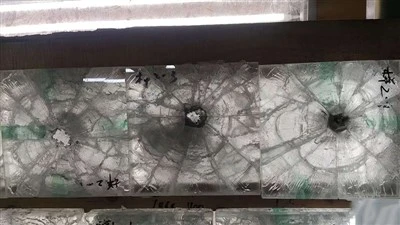
Let’s start with ballistic shock, since that’s what most people care about when they ask. I’ve had clients bring in old testing data and even footage of someone test-firing at our glass, and here’s how it works: when a bullet hits, the glass doesn’t shatter the way regular glass does. The outer hard glass layer slows the bullet down first, then the polycarbonate layer stretches and spreads the impact out instead of letting it punch through. That spreading is what absorbs the shock. If you’ve ever watched a bullet hit water, the water spreads the force so the bullet doesn’t go straight through—same idea here, just solid layers. Our clients often ask about “how much shock” a pane can take, and the answer depends on the NIJ standards (that’s the National Institute of Justice, the main group that rates this stuff in the US) we follow. A NIJ Level IIIA glass, for example, stops 9mm bullets and .357 Magnum, and it can handle that impact shock without cracking all the way through. But here’s the thing: it’s not indestructible. If someone hits it with a higher-caliber bullet, like a .50 BMG, that’s way more shock force, and it’ll punch through. But for most real-world threats, this glass holds up way better than regular windows.
Now, the other part: everyday shock resistance, which is a big one for drivers who might be worried about just regular road use. I’ve had so many fleet customers tell me they didn’t want to switch because they thought “bulletproof glass would be too fragile or would crack from a small rock.” Let’s set that straight. The layered design makes it way more resistant to impact from rocks, potholes, even minor fender benders than standard tempered glass. Wait, tempered glass shatters into tiny pieces, right? Ballistic glass’s polycarbonate layer actually holds all the fragments together if something does hit it, so even if you get a chip, it won’t spiderweb all over your windshield like regular glass. That means more visibility, less risk of the glass failing, and way less hassle for drivers who deal with rough roads. I’ve seen a customer who drove through a gravel road at 60 mph and only got a tiny chip, no full crack—something that would’ve turned a regular windshield into a replacement job in 10 minutes.
But here’s where it gets nuanced: not all vehicle ballistic glass is the same. That’s why I always tell people to skip the cheap stuff they see online (you know, the random “bulletproof window kits” on Amazon) because those are often thin, single-layer polycarbonate or cheap glass that can’t handle real shock. We source our glass from manufacturers who test every pane for both ballistic and impact resistance—like, dropping a 1-pound steel ball from 10 feet onto the window, or slamming it with a 100-pound force to simulate a collision. The cheap kits? They might handle a single .22 bullet, but they’ll crack if a kid throws a baseball at it. That’s a difference that matters, whether you’re a security driver or just someone who doesn’t wants their windshield to break on a trip to the grocery store.
Another common question: what about long-term shock? Like, does the glass get less shock-resistant over time from being in the car, exposed to sun, rain, extreme cold? Yeah, a little—just like anything. The polycarbonate can degrade a tiny bit if it’s exposed to harsh UV for years, but good manufacturers add a UV coating that slows that down. We also tell our clients to get regular inspections—once a year, just check for any minor scratches that could turn into weak points, and make sure the seals around the windows are tight (bad seals can let water get in, which messes with the layers over time). I’ve had clients who’ve had their glass for 10 years and it’s still just as shock-resistant as the day we installed it, as long as they keep up with maintenance.
Wait, let’s talk about a real example I saw last year. A client of ours was driving a van with our Level IIIA glass through a rough neighborhood in a big city. Someone shot at the van—9mm, right? The bullet hit the rear side window. The outer glass layer cracked a little, but the polycarbonate stopped it from going through, and the window stayed intact. The driver wasn’t hurt, and they just had a tiny chip repaired. If that was regular glass, the bullet would’ve gone right through, maybe hit someone, and the window would be completely shattered. That’s the kind of shock resistance we’re talking about—not just stopping a bullet, but keeping the structure together so the car stays safe.
Now, let’s address the downsides, because no shock-resistant glass is perfect. Ballistic glass is heavier than regular glass—usually 2 to 3 times as much. That can affect fuel efficiency a little, which is a thing for fleet managers. Also, it’s more expensive upfront than regular windows. But here’s the tradeoff: if you’re in a line of work where shock (ballistic or otherwise) is a real risk, the cost of replacing a window or dealing with an injury is way higher than the upfront cost. And for everyday use, the better impact resistance means fewer replacements, so it saves money in the long run.
I get a lot of people who still think “shock-resistant” means it can take anything, which isn’t true. A sledgehammer to a vehicle window will break it, same as regular glass—but it’ll take way more hits than a standard window before it does. That’s the key difference. It’s not unbreakable, but it’s built to handle way more shock than the stuff you see in most cars.
So wrapping this up: yes, vehicle bulletproof (ballistic-resistant) glass is shock-resistant— but only if it’s the right kind. The layered design, proper testing, and quality materials are what make it work for both ballistic threats and everyday road shocks. Cheap, untested kits won’t cut it, but good ballistic glass is built to absorb impact instead of shatter, keep fragments in place, and hold up to way more force than regular glass.

If you’re thinking about upgrading your vehicle’s windows for better shock resistance—whether it’s for security, work routes, or just peace of mind—hit me up to chat. We can go over what level you need, answer any questions you’ve got, and help you get set up with quality glass that’s built to handle whatever comes your way.
Bulletproof Glass for Vehicles References
- National Institute of Justice. (2021). Ballistic Resistance of Body Armor and Vehicle Armor: NIJ Standard-0101.07.
- Automotive Glass Safety Council. (2022). Impact Resistance of Layered Vehicle Glass: Testing and Performance Data.
- Society of Automotive Engineers. (2020). Physical Properties of Polycarbonate Layers in Ballistic Vehicle Glass.
- Federal Bureau of Investigation. (2019). Active Threat Vehicle Ballistic Protection Guidelines.
Shaoxing Transparent Armoring Materials Co., Ltd.
As one of the most professional bulletproof glass for vehicles manufacturers and suppliers in China, we’re featured by quality products and good service. Please rest assured to buy durable bulletproof glass for vehicles made in China here from our factory. We also accept customized orders.
Address: No.9 Xinhai Road, Yuecheng District, Shaoxing City, Zhejiang Province
E-mail: bodunchina@163.com
WebSite: https://www.king-armor.com/
