Let’s cut to the chase—if you’ve ever grabbed a cotton maxi for summer mornings or reached for a linen slip as soon as the temperature climbs, you’ve probably written off knitted dresses as a winter-only staple. As someone who’s spent the last 8 years running a small, women-led knitted dress supply business, I’ve heard that exact line a hundred times: “Knitting is for warmth, right? Why would anyone wear that when the sun’s blaring?” It’s a fair question, and for decades, it’s been true—most mass-produced knitted pieces were bulky, thick, and meant for layering under coats or cardigans when the air turned crisp. But over the last few years, the design and material innovation in our industry has shifted the entire conversation, and today’s lightweight knitted dresses are some of the most versatile, cool, and style-forward pieces you can throw on for summer. Let’s break this down, because I want anyone shopping for summer apparel (whether you’re a boutique owner stocking inventory or a consumer hunting for a warm-weather staple) to stop sleeping on knitted dresses. Knitted Dress

First, let’s talk about the science of what makes a fabric good for summer, because that’s where a lot of people’s mistake happens. When we test fabrics for warm weather, we’re looking at three key metrics: breathability, moisture-wicking capability, and thermal regulation. For a long time, people thought “breathable” just meant thin fabric—but that’s not actually true. A fabric’s ability to let air circulate depends on its weave structure, not just its thickness. Lightweight knits, in particular, have tiny, interconnected gaps between their yarns that let air pass through far more easily than a tight-woven cotton poplin or even a thin linen, which can trap heat close to the skin when it’s humid. The key here is gauge, which is industry speak for how many stitches per inch a knit has. Most winter knits use a low gauge—10 to 15 stitches per inch—because that makes the yarn dense and warm. Summer knits? We’re working with a high gauge, usually 20 to 25 stitches per inch, or even a lace knit with open, decorative stitches that have even more space between yarns. That structure lets sweat evaporate instead of sitting on your skin, which is why you’ll notice a lightweight linen knit dress doesn’t stick to your back like a cheap, thin cotton tee would when you’re running errands on a 90°F day.
I learned this lesson the hard way early on in my business. Back in 2016, I tried launching a line of summer knitted dresses using what I thought was “light” yarn: a cheap acrylic blend that was thin enough to hold up in 80°F weather. Within a month, 30% of my online orders came back with complaints saying the dresses were scratchy, felt heavy, and actually made people hotter than a cotton t-shirt. I was devastated—until I started talking to a yarn technologist at a local textile college, who explained that not all “light” yarns are created equal. Acrylic is a synthetic fiber that doesn’t breathe; it traps heat because it doesn’t absorb moisture, so when you sweat, that moisture just sits between the yarn and your skin, making you feel clammy and overheated. That’s when I switched all my summer lines to natural fiber blends, and the difference was night and day.
Now, let’s talk about the best fibers for summer knitted dresses, because this is where the magic happens. First up: linen-cotton blend. Linen is inherently cooling—it’s made from flax plants, which have long, strong fibers that don’t hold much moisture, and it gets softer and more breathable the more you wash it. But pure linen can be too stiff and wrinkly for some people, especially when you’re trying to dress it up for a brunch or a night out. That’s where adding a small percentage of cotton (usually 20% to 30%) comes in: it softens the fabric, makes it drape nicely, and adds just enough stretch so the dress doesn’t cling when the weather’s hot. We tested this blend last summer in our top-selling “Beachside Breeze” slip dress, and customer reviews are still 4.8 out of 5, with the most common comment being, “I wore this to a 3-hour outdoor wedding in July and didn’t feel sticky once.”
Next, pima cotton. Pima is a type of extra-long staple cotton, grown mostly in Peru and the Southwestern U.S., where the dry, sunny climate helps the cotton fibers grow long and strong. Unlike regular cotton, which is short and can get pilling after a few washes, pima cotton has a smooth, lustrous finish that’s lightweight and breathable. We use 100% pima cotton for our more tailored summer knitted dresses—like the midi A-line style that’s perfect for office wear or a dinner date. It’s thick enough to not be see-through, even when the sun is bright, but thin enough that you don’t feel like you’re wearing a blanket. Another fiber we’ve been experimenting with is tencel (lyocell), made from sustainably harvested eucalyptus trees. Tencel is super absorbent—it can hold up to 50% of its weight in moisture without feeling wet, and it has natural UV protection, which is a huge bonus for summer when you’re spending time outdoors. We launched a tencel-linen blend maxi dress this year, and it’s already our fastest-selling style, because it doesn’t wrinkle as much as pure linen, and it’s naturally odor-resistant, so you can wear it all day without needing a wash.
Now, let’s address the biggest counterargument: “Won’t a knitted dress make you look too bulky in summer heat?” I get it—if you picture a chunky wool sweater dress, that’s exactly what comes to mind. But summer knitted dresses are designed to be lightweight and drapey, not structured or bulky. The silhouette is everything here. For hot weather, we avoid any tight, body-con knits that cling to your skin; instead, we use loose, flowy fits with a subtle A-line or shift shape that moves with your body, not against it. Think of it like a long, comfortable t-shirt, but elevated into a dress. Another trick is the neckline: we design most of our summer knitted dresses with V-necks, square necks, or scoop necks that let air flow down your torso, instead of high necks that trap heat. We also avoid heavy embellishments—no thick embroidery, no oversized buttons, no lined panels—because those add unnecessary weight and bulk. Even our best-selling lace knit dresses, which have decorative openwork, are made with the same lightweight pima cotton or tencel blend, so they feel airy, not heavy. I wore one of our lace knee-length dresses to a farmers’ market last month, and a vendor stopped me to say how cool I looked in it—she couldn’t believe it was knitted, because it looked so light and delicate.
Another underrated benefit of summer knitted dresses is their versatility. Most people think of summer apparel as either casual or dressy, but knitted dresses can do both, and they’re way more durable than other summer staples. A few years ago, a boutique owner I supply told me she stocks our knitted dresses alongside her linen pieces, and her customers come back to them year after year, because they don’t fade or stretch out like cotton tees, and they hold their shape better than linen when you wash them. For consumers, that means you don’t have to buy a new summer dress every year—our knitted pieces last for 3 to 5 years with proper care, and they’re appropriate for everything from a backyard barbecue to a beach trip to a work conference, as long as you style them right. Pair our midi shift dress with white sneakers and a straw bag for a casual day out, or throw on a pair of block heels and dainty gold jewelry for a dinner date. The best part? They’re easy to pack for summer travel—unlike linen, which wrinkles the second you fold it, lightweight knits hang smooth and don’t need ironing, which is a game-changer when you’re trying to fit everything in a carry-on.
I also want to talk about sustainability, because that’s a big part of why my business focuses on knitted dresses for summer. The fashion industry is one of the most polluting industries in the world, and fast fashion summer pieces—like cheap polyester dresses or thin cotton tops—are often discarded after one season. Lightweight knitted dresses, on the other hand, are made to last, because of the high-quality natural fibers we use. We source our yarn from GOTS (Global Organic Textile Standard) certified suppliers, which means no harmful chemicals are used in the growing or processing of the fibers, and our production is done in small batches to reduce waste. A 2021 study from the Textile Institute found that natural fiber knits have a 30% lower carbon footprint than fast fashion woven summer apparel, because they require less water to produce (cotton uses 2,700 liters of water for one t-shirt, but pima cotton uses about half that, and linen uses even less) and they last longer, so they don’t end up in landfills as quickly. For anyone who cares about the environment, a summer knitted dress isn’t just a fashion choice—it’s a small way to reduce your wardrobe’s impact.
But let’s be real, it’s not for everyone—if you’re someone who prefers super lightweight, breezy pieces that feel like you’re wearing nothing at all, a knitted dress might not be your first pick. That’s why it’s important to look for the right gauge and fiber: if you try a cheap acrylic blend that’s heavy and scratchy, you’ll hate it, but if you go for a high-gauge natural fiber blend, it’s a completely different experience. We always advise our boutique clients to test small orders first, because everyone’s body is different, and what works for one customer might not work for another. Over the last few years, we’ve also added a range of lengths and fits—from mini dresses for a night out to maxi dresses for the beach, so there’s something for every preference.
At the end of the day, the question “Are knitted dresses suitable for summer?” doesn’t have a one-size-fits-all answer. It’s all about the material, the gauge, and the design. The heavy, thick wool knits of winter? Probably not for 90°F days. The lightweight, high-gauge natural fiber knits we make today? Absolutely. I’ve seen our dresses hold up in 95°F humidity, in dry desert heat, and even at outdoor concerts where people are dancing all day—no complaints about being too hot, and lots of compliments on how comfortable and stylish they are.
If you’re a boutique owner looking to add a unique, long-lasting summer piece to your inventory, or a consumer hunting for a wardrobe staple that works for all your warm-weather plans, I’d encourage you to give lightweight knitted dresses a try. Don’t let the old myth that knitting is only for winter stop you—our industry has come a long way, and there’s never been a better time to invest in a summer knitted dress.
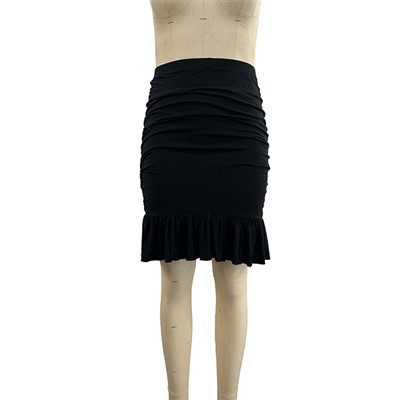
If you’re interested in learning more about our summer knitted dress line, or discussing bulk orders for your boutique, feel free to reach out. We’re always happy to answer questions, send fabric samples, or help you find the right styles for your customers.
Kids’ Fashion Knitwear References:
Textile Institute. (2021). Environmental Impact of Natural Fiber Knit Apparel. Journal of Sustainable Textiles.
Global Organic Textile Standard (GOTS). (2023). Fiber Sourcing and Production Guidelines.
University of Massachusetts Amherst Department of Fiber Science. (2020). Fabric Performance in High Humidity and Warm Temperatures.
Zhongshan Aorong Clothing Co., Ltd.
As one of the leading knitted dress manufacturers and suppliers in China, we offer a wide range of products with superior quality. Please rest assured to buy customized knitted dress made in China here from our factory. For quotation, contact us now.
Address: No. 2, Xingyuan Road, Pingdong Industrial Zone, Sanxiang Town, Zhongshan City, Guangdong Province, China
E-mail: aorong@takvengcn.com
WebSite: https://www.cnaorong.com/
