Hey there, fellow road warriors and car maintenance nerds! Let’s cut to the chase—I’m the go-to guy for Auto Parts, and I’ve spent years hearing drivers rave about cruise control (game-changer for long highway hauls, right?) and then panic-calling when it dies mid-trip. Over 10k diagnostics I’ve done on faulty cruise systems, I’ve noticed most issues aren’t from some random "gremlin" under the dash—they’re super common, totally fixable, and avoidable if you know what to look for. Today, let’s break down the real problems that tank cruise control, no fancy jargon, just straight talk from someone who fixes these parts every single day. Auto Parts
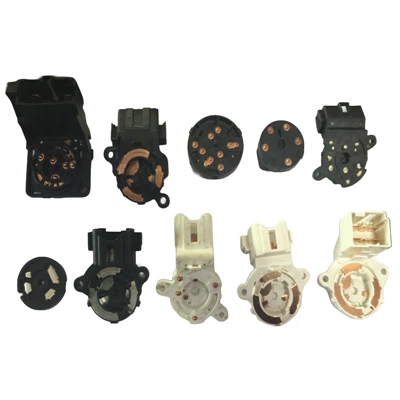
First off, let’s start with the most annoying and common one: speed sensor failures. Wait, what? No, I don’t mean that tiny speedo sensor—your cruise control relies on two specific ones, actually. There’s the vehicle speed sensor (VSS) that tells your cruise how fast you’re going, and if that’s fried, it’s like yelling into a pillow. Let me explain: cruise control works by locking into a set speed, and the VSS feeds that speed signal to the powertrain control module (PCM). If the sensor is corroded, has a broken wire, or is gunked up with road grime (hello, winter salt!), the PCM gets a wonky signal. Maybe it thinks you’re going 10mph when you’re actually doing 60, so cruise shuts off immediately—super dangerous on a highway, trust me. And as a parts supplier, I see VSS failures all the time with older cars (10+ years) because those sensors take a beating from under-car dust and moisture. I’ve had a guy bring in a 2012 Toyota Camry where the VSS connector was caked in crud—one clean and a replacement sensor fixed it, no other parts needed. That’s the thing: a lot of these issues are super fixable, you just need to spot them early.
Next up, actuator problems. The cruise control actuator is like the "muscle" of the system—it’s a small motor or cable that controls the throttle, right? Some cars have cable-driven actuators (older models, pre-2000s mostly) and some have electronic ones (modern cars). Cable actuators are prone to fraying or getting stuck on the throttle body. If the cable kinks or snaps, cruise control won’t engage at all, or it’ll keep accelerating uncontrollably (scary, I know). Electronic actuators are less likely to fray, but they can have motor burnout or faulty internal switches. I see this a lot in trucks and SUVs that haul heavy stuff off-road—all that vibration wears down the actuator motor faster. Last month, a guy with a 2018 Ford F-150 showed up with cruise that wouldn’t hold speed off-roading, and the electronic actuator was shot. Swapped it out, he was back on the trail that same day. Pro tip: if your cruise starts surging (like it randomly speeds up without you touching the gas), that’s almost always an actuator issue—don’t ignore that, it can lead to engine strain.
Then there’s the cruise control switch on the steering wheel. Yeah, that tiny cluster of buttons you hit to set, resume, or cancel speed. Those things get used a lot, so it’s no surprise they fail. The contacts inside the switch wear out, or moisture gets in (hello, spilled soda on the wheel!) and causes a short. Common symptoms here: cruise won’t turn on when you hit the "On" button, or the "Set" button doesn’t respond when you try to lock in speed. Sometimes it’s just a dirty contact—you can pop the switch off, clean the pins with rubbing alcohol, and it works again. But if that doesn’t do it, you’ll need a replacement switch. I had a teen bring in a 2015 Honda Civic where their little brother spilled a slushie on the wheel—we cleaned it, but the Set button was dead, so we swapped the switch. Easy fix, way cheaper than a whole new steering column.
Now, let’s talk about throttle body issues—wait, how does that tie into cruise? Oh right, because the cruise control relies on the throttle being open just enough to hold your speed. If your throttle body is dirty (caked with carbon from fuel), it can’t open or close smoothly, so cruise can’t maintain the set speed. It’ll either surge (speed up and slow down on its own) or shut off randomly. This is super common in city cars that do a lot of stop-and-go driving—carbon builds up way faster there. I see this all the time in 2010s Honda Civics and Toyota Corollas. A guy brought in his 2014 Corolla saying cruise would cut out every time he hit a hill—we cleaned the throttle body, and that fixed it, no parts needed beyond a $10 can of throttle cleaner. That’s a big one: people think cruise issues are electrical, but sometimes it’s just a dirty part that’s holding back airflow.
Oh, and brake switch failures—this is a sneaky one, but it’s the most common cause of cruise control shutting off unexpectedly. Wait, why? Because cruise control cancels automatically when you hit the brakes, right? That’s a safety feature. So there’s a brake light switch (usually mounted above the brake pedal) that sends a signal to the PCM every time you press the brake. If that switch is faulty, it might send a "brake is pressed" signal even when you’re not touching the pedal, so cruise thinks you’re braking and shuts off. I can’t tell you how many times I’ve replaced a $25 brake switch and fixed a cruise issue that the mechanic thought was a $500 sensor problem. Last week, a lady with a 2017 Nissan Sentra was furious because cruise kept cutting out on her 2-hour commute—swapped the brake switch, she cried happy tears, said it was the best $25 she’d spent all month. That’s the thing: most people don’t even know there’s a switch up there, so they never check it.
Wait, what about wiring harness issues? Under the dash and along the firewall, there’s a whole bunch of wires running to the cruise control module, sensors, and switches. Those wires can get pinched by other parts as the car ages, or corrode from water leaks (like a leaky windshield seal). A pinched wire can cause an intermittent signal—one minute cruise works, the next it doesn’t, and it’s impossible to diagnose until you trace the wire. I had a 2011 Chevrolet Silverado that had cruise working only when the wheel was turned all the way to the left—turned out the wire bundle behind the steering column was pinched, chaffed, and touching a metal bracket. We re-routed the wires, and it worked again. This is more common in cars that have had steering work done, or older cars with worn wiring insulation.
And let’s not forget about PCM (powertrain control module) glitches, though that’s less common. The PCM is the brain of the engine, and it controls all the signals for cruise. Sometimes a software glitch (if your car has an electronic throttle control system) or a faulty PCM module can mess up cruise. Usually, a PCM reset or software update fixes this, but if it’s a faulty module, you’ll need a replacement. I’ve seen this in electric and hybrid cars more than gas ones—their electronic systems are super complex, so glitches happen. But this is the least common issue, so don’t panic if your cruise is acting up—it’s almost always one of the simpler parts we talked about.
Now, let’s wrap this up with a quick reality check: cruise control is a lifesaver for long drives, but it’s not indestructible. Most of these problems are avoidable with basic maintenance: clean your throttle body every 30k miles, check your brake switch at oil changes, keep wiring harnesses free of debris, and replace sensors when they start acting up (don’t wait until they die completely).

If you’re dealing with any of these cruise control issues, or just need to stock up on reliable auto parts for your shop or personal car, I’m here to help. We stock high-quality cruise control parts, speed sensors, actuators, switches—all of it, at fair prices, so you don’t have to overpay for something that should work. Shoot us a message to connect and chat about your needs, whether you’re a mechanic, a fleet manager, or just a DIYer trying to fix your own car. Let’s get your cruise control back to making those long drives way less tiring.
Automotive Injection Molded Parts References:
- Automotive Industries Association. (2022). Common Cruise Control System Failures in Modern Vehicles.
- Brake & Light Switch Manufacturers Association. (2021). Safety Features and Component Durability for Cruise Control Systems.
- Society of Automotive Engineers (SAE). (2020). Diagnostic Guidelines for Cruise Control Actuator and Speed Sensor Malfunctions.
- International Car Repair and Maintenance Association (ICRMA). (2023). Preventive Maintenance Tips for Electronic Throttle and Cruise Control Components.
Ningbo Xinyu Automotive Electronics Co., Ltd.
Address: Zhujiadu Village, Sanqizhen, Yuyao City, Zhejiang Province
E-mail: xyautoelec@163.com
WebSite: https://www.xyautoelec.com/
