Let’s cut to the chase—if you’ve ever stood under a leaky gazebo at a construction site, watched a patio light short out mid-backyard party, or panicked when a temporary power setup for a outdoor festival sparked a tiny safety scare, you’ve had a run-in with what happens when power distribution doesn’t account for the elements. As someone who’s spent 12 years building power distribution cabinets (PDCs) for jobs that demand more than just indoor reliability, I’m here to break down exactly what an outdoor waterproof power distribution cabinet is, why it’s non-negotiable for almost every outdoor power project, and why skimping on one will always come back to bite you. Power Distribution Cabinet
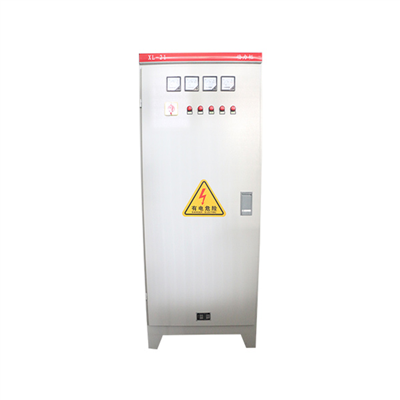
First, let’s get the basics right—this isn’t some overpriced plastic box you can buy at a hardware store for $20 to tuck a few extension cords into. An outdoor waterproof power distribution cabinet is a purpose-built, enclosure-wrapped unit designed to safely route, regulate, and distribute electrical power to outdoor locations while completely resisting water intrusion, dust, temperature swings, and even minor impact from rough jobsite activity. Unlike indoor PDCs, which can get away with vent slots and thin plastic casings, these outdoor versions are engineered from the ground up to live 24/7 in conditions that would turn a standard indoor cabinet into a fire hazard in hours.
Let’s talk about the core specs that make this waterproof. I’ve seen so many new customers mix up “rain-resistant” with “waterproof,” and that’s a mistake that costs them thousands in repairs. The key here is the Ingress Protection (IP) rating system, which is the global standard for measuring how well an enclosure keeps out solids and liquids. For outdoor use, we never recommend anything lower than IP65—and most of our heavy-duty clients go straight to IP67, because the extra cost is nothing compared to the alternative. IP65 means the cabinet is dust-tight (no fine construction dust, sand, or pollen can seep in) and can withstand low-pressure water jets from any direction for up to three minutes without internal damage. That’s enough for light rain, sprinklers, or even a sudden burst of hose water while you’re cleaning equipment on a jobsite. IP67 takes it a step further: you can fully submerge it in up to 1 meter of water for 30 minutes and still have fully functional electronics inside. That’s the rating we use for cabinet sites that get occasional flash flooding, or for temporary power setups at outdoor pools or marshlands where groundwater can seep up unexpectedly.
Now, what’s actually inside one of these cabinets, because that’s where the real work happens. A standard outdoor waterproof PDC isn’t just a box with a lock on it. Let’s walk through our most common model, which we build for construction sites, outdoor events, and municipal parks. First, the frame: we use either heavy-gauge galvanized steel or corrosion-resistant aluminum, depending on the environment. Galvanized steel is cheaper and holds up better to scrapes from construction tools, while aluminum is lighter for temporary setups like concert stages. The inside is lined with insulated, non-conductive panels that prevent shorts if moisture does seep in (though our gaskets make that almost impossible). Then there’s the actual power distribution components: main circuit breakers to shut off power if there’s an overload or a short, individual branch breakers for each circuit (so if one outlet for the party stage shorts, the rest stays on), residual current devices (RCDs) that cut power in milliseconds if even a tiny leak of current is detected (critical for areas near water), and clearly labeled outlets for different voltage levels—120V for tools, 240V for heavy machinery, whatever the job needs.
Wait, and we can’t forget the weather seals. This is the most important part of the waterproofing. We use food-grade silicone gaskets that run the entire perimeter of the cabinet door and all cable entry points, because regular rubber gaskets crack after a year of UV exposure from the sun. We also build custom cable glands for every single wire that enters or exits the cabinet—no gaps, no spaces, just a tight seal that keeps water out. A lot of cheap competitors skip this step, using generic cable ties to hold wires in, which leaves tiny gaps where rain can creep in over time. We also add a rust-proof door latch, because a flimsy latch can pop open during a windstorm, and if the door swings open, all the waterproofing is useless.
Now, let’s get specific about where these cabinets make sense, because that’s when you’ll realize you’ve probably used one without even knowing it. First, construction sites. If you’ve ever been to a building project and seen a bright yellow (we use safety yellow for visibility, by the way) metal box sitting on the side of the road with a bunch of extension cords running to jackhammers, portable lights, and concrete mixers? That’s an outdoor waterproof PDC. Without it, all that power is sitting in a box that’s exposed to rain, dust, and accidental spills from cleaning chemicals. I’ve had a construction client call us once after a cheap, unrated cabinet they bought online shorted during a sudden thunderstorm—they had to shut down the entire site for three days while they replaced wiring and fixed damaged tools, costing them over $120,000 in lost productivity. A properly rated outdoor waterproof PDC would have prevented that entirely.
Then there’s outdoor events: music festivals, farmers’ markets, wedding venues. Last year, we supplied 12 units for a 3-day music festival in Ohio that had occasional afternoon thunderstorms. The event planner told us later that the only thing that went wrong all weekend was a single extension cord that got cut, because all the power for stages, food trucks, and lighting was running through our IP67-rated cabinets. Compare that to a few years ago, when a festival in the same area had to cancel a full day of performances because a rain-soaked indoor cabinet they dragged outside sparked a small fire. That’s the risk you take when you skimp on outdoor power equipment.
We also supply these for municipal applications: street lighting controls, park restroom power, temporary power for parades. Even residential outdoor areas—if you’re building a custom home with a full outdoor kitchen, pool, and patio lighting, a small waterproof PDC is way safer than running wires through standard indoor boxes and hiding them in the garage. No more worrying about a sprinkler system soaking the wiring and causing a shock risk for your family.
Now, let’s bust a few myths I hear all the time. First myth: “Outdoor waterproof cabinets are too expensive.” Let’s do the math. A basic IP65 cabinet from us starts at around $850, and a medium-sized unit is $1,200. The alternative: if you use a standard indoor cabinet outside, you’re looking at potential fines for code violations (most building codes require waterproof enclosures for outdoor power) and costs for repairs or replacements if something goes wrong. That $1,200 cabinet pays for itself the first time it prevents a short or a fire.
Second myth: “I can just cover a standard cabinet with a tarp.” Tarp is not a seal. Wind will blow it off, rain will seep under the edges, and if you’re working with heavy power tools, you’ll tear the tarp without even noticing. I’ve seen construction workers rely on tarps for weeks, only to find the inside of their cabinet was full of mold and water damage when they finally took it off. Tarp is a temporary fix, at best—an outdoor waterproof PDC is a permanent solution.
Third myth: “All waterproof cabinets are the same.” Trust me, they’re not. We test every single cabinet we build in our warehouse with pressure washers set to 100 PSI, simulating heavy rain, and even submerge test units in a water tank for 48 hours to make sure no water gets in. Some budget manufacturers cut corners on the gaskets or use thin plastic that warps in the sun, creating gaps over time. We also add corrosion inhibitors to the steel frames for projects near the ocean or industrial areas, where salt can eat through metal in months. That’s not standard practice for cheap cabinets.
What about customization? No two projects are the same, which is why we don’t sell one-size-fits-all units. If a construction site needs 20 120V outlets for tools, plus two 240V outlets for a crane, we can build that. If a wedding venue needs a cabinet with USB ports for charging phones, plus RCDs for the lighting and sound system, we’ll design it. We also add extra features like lockable doors to prevent theft, weather-resistant labeling so you can read which circuit is which even in bright sunlight, and mounting brackets that work on poles, walls, or flat ground for temporary setups.
Here’s the thing I tell every new customer: power distribution outdoors isn’t just about getting power where you need it—it’s about keeping people safe. I’ve worked on jobs where a shocked worker could have been killed by a poorly sealed cabinet, and I’ve seen cabinets that caught fire because someone thought a standard indoor box would work outside. That’s why we take every step we can to make our outdoor waterproof PDCs not just functional, but fail-safe. We offer a 5-year warranty on all our units, because we stand behind the quality of what we build.
If you’re planning a construction project, hosting an outdoor event, upgrading your home’s outdoor power, or just need a reliable power setup that can stand up to the elements, don’t guess. Reach out to our team to chat through your needs. We’ll send you a free, no-obligation quote, walk through the different IP ratings and customization options, and make sure you get exactly what you need—no hidden fees, no overpromising, just solid power that works, rain or shine.

References:
- International Electrotechnical Commission (IEC) 60529: Degrees of Protection Provided by Enclosures (IP Code)
- National Electrical Code (NEC) Article 525: Temporary Wiring for Recreational Vehicles, Marinas, and Similar Locations
- Occupational Safety and Health Administration (OSHA) 29 CFR 1926 Subpart K: Electrical for Construction Work
High Voltage Switchgear References:
International Electrotechnical Commission (IEC) 60529: Degrees of Protection Provided by Enclosures (IP Code)
National Electrical Code (NEC) Article 525: Temporary Wiring for Recreational Vehicles, Marinas, and Similar Locations
Occupational Safety and Health Administration (OSHA) 29 CFR 1926 Subpart K: Electrical for Construction Work
Anhui Xinchen Electrical Equipment Co., Ltd.
We are one of the most reliable power distribution cabinet manufacturers and suppliers in China, specialized in providing high quality customized products. We warmly welcome you to buy bulk power distribution cabinet for sale here from our factory. Contact us for quotation.
Address: No. 8, Waihuan South Road, Economic and Technical Development Zone, Ningguo City, Xuancheng City, Anhui Province
E-mail: xinchen0316@126.com
WebSite: https://www.cn-xinchen.com/
