Solar energy has emerged as a leading renewable energy source, with solar power systems being installed in diverse environments worldwide. As a supplier of Solar DC Cables, I often encounter inquiries about the suitability of our products in extreme conditions, including volcanic areas. This blog aims to explore whether solar DC cables can be used in volcanic regions, considering the unique challenges these areas present. Solar DC Cables
Understanding Solar DC Cables
Before delving into the feasibility of using solar DC cables in volcanic areas, it’s essential to understand what these cables are and their role in a solar power system. Solar DC cables are specifically designed to transmit direct current (DC) electricity from solar panels to other components of the system, such as inverters, charge controllers, and batteries.
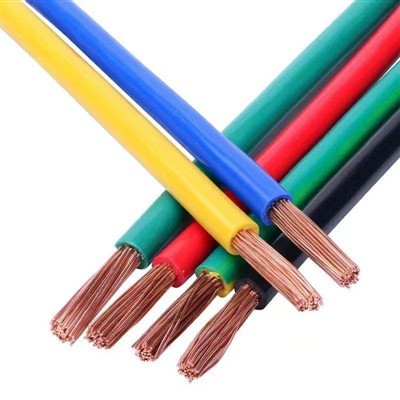
These cables must meet strict standards to ensure efficient and safe operation. They are typically made of high – quality conductors, such as copper or aluminum, and are insulated with materials that can withstand various environmental factors, including UV radiation, temperature variations, and moisture.
Characteristics of Volcanic Areas
Volcanic areas are characterized by a set of extreme environmental conditions that can pose significant challenges to any infrastructure, including solar power systems.
High Temperatures
Volcanic regions can experience extremely high temperatures due to the presence of magma, hot springs, and geothermal activity. Surface temperatures can reach several hundred degrees Celsius in some areas, especially near active vents or lava flows. These high temperatures can cause materials to expand, degrade, and lose their mechanical and electrical properties over time.
Chemical Corrosion
Volcanic gases, such as sulfur dioxide, hydrogen sulfide, and carbon dioxide, are released during volcanic eruptions and can persist in the environment for extended periods. These gases can react with the metals and insulation materials in solar DC cables, causing corrosion and damage. Additionally, acidic water from volcanic runoff can also contribute to the corrosion process.
Physical Hazards
Volcanic areas are prone to physical hazards such as earthquakes, landslides, and lava flows. Earthquakes can cause ground shaking, which may damage the cables and their supporting structures. Landslides can bury or sever the cables, while lava flows can melt and destroy any cable in their path.
Suitability of Solar DC Cables in Volcanic Areas
Despite the challenges presented by volcanic areas, it is possible to use solar DC cables in these regions with proper planning and the selection of appropriate cable types.
Temperature Resistance
When choosing solar DC cables for volcanic areas, it is crucial to select cables with high – temperature resistance. Our company offers cables with insulation materials that can withstand temperatures well above the average operating temperatures in most solar power systems. For example, some of our cables are rated to operate at temperatures up to 120°C or even higher. These high – temperature – resistant cables are designed to maintain their electrical and mechanical properties under extreme heat, ensuring reliable performance in volcanic environments.
Chemical Resistance
To combat the effects of chemical corrosion, our solar DC cables are coated with special protective layers. The insulation materials are formulated to resist the attack of acidic and corrosive substances. For instance, we use cross – linked polyethylene (XLPE) insulation, which has excellent chemical resistance properties. XLPE can withstand the effects of sulfur – containing gases and other corrosive agents commonly found in volcanic areas, extending the lifespan of the cables.
Physical Protection
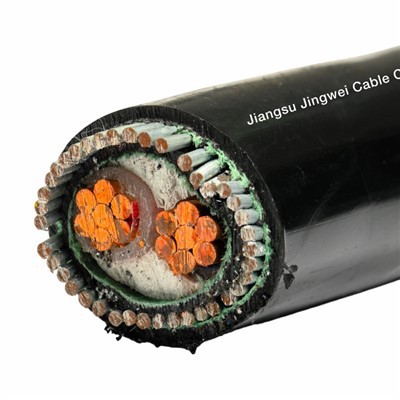
In addition to temperature and chemical resistance, our cables are designed to withstand physical hazards. We offer armored cables that are protected by a layer of metal armor. This armor provides an extra level of protection against mechanical damage from earthquakes, landslides, and other physical impacts. The armor can prevent the cable from being crushed or severed, ensuring the continuity of the electrical connection.
Case Studies
There have been successful installations of solar power systems in volcanic areas around the world. For example, in Iceland, a country known for its volcanic activity and geothermal energy, several solar power projects have been implemented. These projects have used high – quality solar DC cables that are specifically designed to withstand the harsh conditions.
In one project, the solar DC cables were installed in an area close to a geothermal power plant. The cables were exposed to high temperatures and corrosive gases. However, due to their high – temperature and chemical resistance properties, the cables have been operating efficiently for several years without any significant issues.
Installation and Maintenance Considerations
Proper installation and maintenance are crucial for the successful use of solar DC cables in volcanic areas.
Installation
During installation, it is important to ensure that the cables are properly routed and secured. They should be placed away from potential sources of physical damage, such as areas prone to landslides or near active vents. Additionally, the cables should be installed in conduit systems or trenches to provide additional protection.
Maintenance
Regular maintenance is essential to detect and address any potential issues before they escalate. This includes inspecting the cables for signs of damage, such as cracks, abrasions, or corrosion. The connectors should also be checked for tightness and proper electrical contact. If any damage is detected, the affected sections of the cable should be replaced immediately.
Conclusion
In conclusion, solar DC cables can be used in volcanic areas, but it requires careful consideration of the unique challenges presented by these environments. Our company, as a leading supplier of Solar DC Cables, offers cables that are designed to withstand high temperatures, chemical corrosion, and physical hazards. With proper installation and maintenance, these cables can provide reliable performance in volcanic regions.
Solar DC Cables If you are planning a solar power project in a volcanic area or any other challenging environment, we encourage you to contact us for a consultation. Our team of experts can help you select the most suitable cables for your specific needs and provide guidance on installation and maintenance. Let’s work together to harness the power of the sun even in the most extreme conditions.
References
- International Electrotechnical Commission. (2017). IEC 62930: Photovoltaic (PV) systems – DC cables.
- U.S. Geological Survey. (2018). Volcanic gases and health.
- Kootenay Cable. (2020). High – temperature cables for demanding applications.
Jiangsu Jingwei Cable Co., Ltd.
As one of the leading solar dc cables manufacturers in China, we warmly welcome you to buy bulk durable solar dc cables made in China here from our factory. All cables are with high quality and competitive price. For pricelist and free sample, contact us now.
Address: Industrial Concentration Zone C, Guanlin Town,Yixing City, Jiangsu Province
E-mail: marilyn.wang@jingwei-cable.com
WebSite: https://www.jwcable.com/
