Hey everyone, if you’ve ever been in the market for a backup power setup for a construction site, remote cabin, or even a small event venue, you’ve probably stumbled on silent diesel generator sets. As someone who’s been selling these bad boys for over 8 years now, I get tons of questions that go way beyond “how loud is it?”—and one of the most consistent ones is, “Is a silent diesel generator set easy to maintain?” Silent Diesel Generator Set
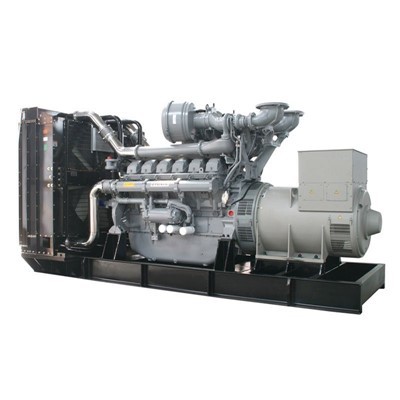
Let me cut to the chase: yes, they are, but there’s a difference between easy maintenance and zero maintenance. A lot of folks hear “silent” and assume there’s a bunch of fancy, hard-to-reach tech tucked away in that noise-canceling enclosure. While there is some specialized design going on, the core components of a silent genset are basically the same as a standard diesel generator—they’re just wrapped in a box that cuts noise by 10 to 20 decibels (that’s the difference between a loud conversation and normal office noise, for anyone keeping count). The noise-reducing parts, like acoustic insulation panels and sound-dampening exhausts, actually don’t add much work to upkeep, so let’s break this down with real-world stuff I deal with on a daily basis.
First off, let’s talk about the routine checks—these are the same for silent gensets as regular ones, right? But here’s the thing: the enclosure makes it easy to access everything, not hard. A lot of suppliers used to design these boxes with tiny, flimsy panels you had to pry open with a screwdriver, but we’ve moved way past that now. Most modern silent gensets, including the ones my team sells, have quick-release latches on the access panels. Pop them open in 10 seconds flat, and you’ve got full view of the engine, oil filter, fuel filter, air filter, and all the other stuff you need to check every 50 to 100 running hours. No crawling under a hot generator or fumbling around a clunky enclosure—just straightforward access.
The engine itself is a workhorse. Diesel engines are built to last, way more than gas ones, because they run at a slower, steadier RPM (diesel burns heavier fuel, so they don’t have to rev as hard). Silent genset engines are usually industrial-grade, not tiny consumer bits, so they’re made to handle heavy loads without giving you trouble. The most common routine maintenance is changing the oil and oil filter. For a standard genset, that’s usually every 200 to 250 hours, and on silent ones? Same timeline. You don’t have to worry about the noise enclosure getting in the way here—all the drain plugs are positioned so you can put a pan under them without moving the whole unit. I’ve had customers tell me they can do an oil change in under 30 minutes, even if it’s their first time touching a generator. That’s not fancy or hard—that’s easy.
Then there’s the fuel system. Diesel fuel can go bad if it sits around for too long, right? So if you’re only using your genset as backup power (like for a home or office), you should run it for 30 minutes every month to keep the fuel circulating. But wait—does the silent enclosure make that hard? Nope. You can start the genset remotely, if you’ve got the optional remote start module (which we highly recommend, by the way), so you don’t even have to open the enclosure to run it. The fuel filters on these sets are also easy to replace—they’re labeled clearly, and the enclosure has enough space around the fuel lines so you don’t spill diesel all over the place. I had a customer last month, a small construction company owner, text me at 9 PM saying he accidentally let his fuel sit for 6 weeks and it gelled a little. He went out, changed the filter, ran it for 10 minutes, and it was good to go. No big deal, no special tools.
Now, the part that’s different about silent gensets: the noise-canceling components. People ask all the time, “Do I have to replace the acoustic panels? Is that a pain?” The short answer is almost never. The panels are made of durable, fire-resistant foam or fiberglass, and they’re lined with a metal mesh that keeps dust and debris out. The only time you’d ever need to touch them is if something really gnarly gets inside the enclosure—like if a construction site has a bunch of metal shavings blowing around, or a rodent decides to make a home there. Even then, pulling the panels off is just unclipping a few fasteners, vacuuming out the junk, and popping them back on. I’ve only had one customer in 8 years who ever replaced an acoustic panel, and that was after a tree fell on his enclosure—normal wear and tear from regular use doesn’t touch them.
Wait, let’s talk about the parts that people stress over: warranties and repairs. If something does go wrong, are the parts easy to find? Absolutely. Silent gensets use standard parts for the engine and most of the electrical components, so you don’t have to wait 2 weeks for a special order. The only unique parts are the noise-related stuff, and even those are universal across most reputable brands (which is why we only sell gensets from manufacturers that use standardized parts). If your alternator goes out, or your battery dies (another common issue—batteries last 2 to 3 years, same as cars), you can pick up a replacement at any auto parts store or generator supplier. No need to hunt down a weird silent-generator-specific part.
But here’s the catch—easy maintenance doesn’t mean no maintenance. I see a lot of new genset owners make this mistake: they buy a silent set because it’s quiet, stick it in a corner, and forget about it until the power goes out and it won’t start. That’s not the genset’s fault—that’s user error. Even the most well-built set needs a little TLC. Let’s be real: a car is easy to maintain, but if you never change the oil or check the tires, it’s gonna break down. Same goes for these.
What’s the easiest way to keep your silent genset in good shape? Keep a simple checklist. Every month, check the battery terminals for corrosion (wipe them with a baking soda mix if they’re dirty), make sure there’s no water sitting in the fuel tank (water gets in when it’s humid, or if you add bad fuel), and listen for any weird noises when you run it. Every 6 months, change the air filter—this one’s important, especially if you’re using it in a dusty construction site. A clogged air filter makes the engine work harder, uses more fuel, and can cause damage over time. Changing it is just unclipping the old one, putting the new one in, and you’re done. No tools needed, most of the time.
I also tell all my customers to do a load test once a year. That means running the genset at 70-80% of its rated load for 2 hours. This keeps the engine from gunking up, burns off any extra fuel in the lines, and makes sure it’ll actually work when you need it. It’s not hard, and we even include a free load test guide with every set we sell, so you don’t have to guess what to do.
Now, let’s bust a common myth: silent gensets are more complicated to maintain than regular ones. I’ve had a lot of old-school generator techs come to me and say, “Nah, the enclosure will cause overheating, or you can’t get to the spark plugs.” Wait—diesel engines don’t have spark plugs. That’s gas engines. And as for overheating? Most silent gensets have larger, better-designed cooling systems because the enclosure traps heat, so they actually run cooler than many open-frame models. That’s a win for lifespan, not a headache. I’ve got a customer who’s had the same silent genset for 7 years, uses it for a remote farm, and he’s only done the basic oil/filter changes and air filter swaps. No major repairs, no extra work. He says it’s way easier to maintain than the old gas generator he had before, which required him to mix oil and gas and replace spark plugs every few months.
So, if you’re worried about the upkeep, let’s wrap this up: silent diesel generator sets are definitely easy to maintain, as long as you do the basic stuff. The key points are: quick access to all core components, standardized parts that are easy to find, noise-reducing parts that barely need attention, and a maintenance schedule that takes 30 minutes a month max if you’re using it as backup power. If you’re using it constantly for a remote site, it’s a little more frequent, but still nothing major.
Wait, one last thing—if you’re in the market for a silent diesel generator set, don’t skimp on quality. Cheaper ones from no-name brands often have flimsy enclosures, hard-to-reach parts, and non-standard components that make maintenance a nightmare. The sets we sell are built with industrial engines, reinforced enclosures, and clear access points, so you don’t have to deal with that.

If you’ve got more questions about maintenance, or want to talk about what size set you need for your specific use case, feel free to reach out. Whether you’re a construction manager needing backup power for a site, a cabin owner tired of loud generators, or a venue looking for quiet power for events, we can help you find the right set that’s easy to maintain and fits your needs.
Silent Diesel Generator Set References:
- Diesel Technology Forum. (2022). Maintenance Best Practices for Industrial Diesel Engines.
- International Organization for Standardization. (2019). Silent Diesel Generator Set Noise Emission Standards and Maintenance Guidelines.
- Generator Supply Association. (2023). Consumer Report: Ease of Maintenance for Standby Power Generators.
- U.S. Department of Energy. (2021). Backup Power Systems: Routine Maintenance Requirements for Diesel Generators.
Jiangsu Kaichen Electric Power Equipment Co., Ltd.
As one of the most professional silent diesel generator set manufacturers and suppliers in China, we’re featured by quality products and low price. Please rest assured to buy discount silent diesel generator set in stock here from our factory. If you have any enquiry about customized service, please feel free to email us.
Address: Dinghuo Industrial Park, Jiangdu District, Yangzhou City, Jiangsu Province
E-mail: 19962469616@163.com
WebSite: https://www.kaichenpowertech.com/
