If you’ve ever stood in a hotel room with a half-unpacked suitcase, waiting for a client to arrive in 10 minutes, or rummaging through a flight’s overhead bin when your bag gets swapped for a lookalike—you know business luggage isn’t just about holding your laptop or a spare blazer. The lock? It’s not a trivial afterthought. As someone who’s been supplying business luggage for 7 years, I’ve fielded so many confused calls from buyers (small startup ops, corporate travel teams, even independent sales reps) asking: “What type of lock is actually worth the cash for our team’s bags?” Let’s cut through the marketing fluff and break this down like we’re brainstorming over a coffee at a trade show, no jargon allowed. Business Luggage

First, let’s get one thing straight: your “best” lock depends entirely on who’s using the bag, where they’re using it, and what they’re storing inside. A sales rep flying cross-country with a $2,000 laptop and a company tablet has way different needs than a remote worker checking a single rolling duffel for a 3-day client visit. I’ve tested every common lock type over the years, working with product designers and even some veteran TSA agents, so let’s start with the locks that’ve made the cut and the ones I tell my clients to skip.
The first big category people ask about: combination locks. I know, they’re everywhere—dorm bags, budget suitcases, gas station impulse buys. But here’s the thing: most of the cheap combination locks you grab at the airport? They’re terrible. The kind with three dials that click into place? Anyone with two seconds and a little patience can guess the code, especially if they notice worn-down numbers (people always twist the dials to their birthday, anniversary, or “123” like it’s a universal password). I had a client last year who supplied these to their team, and 12 out of 45 bags had their laptop or company documents stolen because a thief just studied the dial wear for 60 seconds. Now, not all combination locks are equal. The ones with dials hidden under a thin plastic cover that stays closed when you’re not adjusting the code? Way better. The kind with a few extra digits, not just three? Even tougher. But here’s the catch: for business users, remembering a random code every time they open their bag is a huge pain. I’ve had reps tell me they’d rather use no lock than fumble with a code mid-security line, especially when their flight is boarding and the line is moving fast. So combination locks work only if you train your team to use a unique, hard-to-guess code—and if you spring for the not-cheap ones. For most companies, that’s a lot of extra hassle for just “okay” security.
Next up: keyed locks. Old school, right? But wait—these aren’t the same ones your dad used on his weekend golf bag. The big mistake I see companies make here is going for a basic keyed lock that fits the keyhole of 100 other bags. Thieves don’t even have to jimmy it—they just keep a universal keyring in their pocket for $5 on Amazon. That’s a no-go for business luggage, full stop. But if you get keyed locks that are “key-alike” or (even better) key-differ? Wait, no—let’s clarify: key-alike means all locks use the same key, which is worse. Key-differ means every lock has its own unique key. That’s way better. I supply a version to a tech startup in Austin that uses these, and their team swears by them. The downside is obvious: you have to hand out keys, track them, replace them if a rep loses theirs. For small teams (under 20 people) that’s easy enough—you can even keep a backup set in the office. For bigger companies? That becomes a logistical nightmare. One client with 150 reps tried keyed locks and spent 10 hours a week replacing lost keys or reissuing new ones. It ate into their travel budget way more than they expected. So keyed locks are great only if your team is small, consistent, and reliable about not losing keys. If you’ve got a high-turnover sales team or people who misplace everything? Skip this.
Now, the one that’s been blowing up for business travelers lately: TSA-Approved Locks. Let’s talk about these because I can’t tell you how many people get this wrong. The TSA (Transportation Security Administration) has specific rules for locks that let agents open your bag without cutting them—because if your bag has a regular lock and TSA needs to inspect it, they’ll snip it off and leave you with a mangy suitcase. That’s a huge waste of money for a company that has to replace locks every time someone flies. TSA-approved locks have a tiny special keyhole that only TSA agents have a master key for. That’s a game-changer for business travelers, because 90% of business trips require flying. But not all TSA-approved locks are equal, trust me. I’ve tested the cheap TSA locks that come on super-cheap luggage—they’re still pickable. The good ones use a stronger metal, not plastic, and the master key system is so specific that thieves can’t replicate it easily. I also like TSA-approved locks with a combination feature, so your team doesn’t have to carry keys. Wait, let’s confirm: yes, there are ones that have a combination dial and a TSA keyhole. That’s the sweet spot for most business users. They’re not too hard to remember a code, TSA agents can open them, and it’s way harder for regular thieves to get into. I’ve had more corporate clients switch to these over the last 3 years than any other lock type, because it solves almost every pain point. But hold on—there’s a catch with TSA locks too. Some international airports have their own security teams that might not recognize the TSA master key. I’ve had a few European clients have issues where a security agent in Paris didn’t have a copy of the TSA key, so they had to cut the lock anyway. It’s rare, but it’s worth noting if your team is flying internationally a lot.
Wait, what about the new “smart locks”? You know, the ones that pair with your phone, use Bluetooth, or fingerprint scans? These are super popular for consumer luggage, but for business? I’d say hold off for now, unless you’re a tech company that wants to test them out. The downsides are big: they run on batteries. What if your rep’s phone dies, or the lock’s battery dies mid-trip? They’re stuck with a locked suitcase they can’t open. I had a client try smart locks on their sales team last year, and 8 reps ended up stranded in different cities because the lock died 2 days into a 10-day trip. Also, if a rep loses their phone, they have to go through a whole process to unlock the bag—something you don’t want when you’re about to meet a major client. The tech is getting better, but right now, smart locks are just not reliable enough for business travel, where there’s no room for downtime.
Let’s also talk about use case specifics, because that’s the part most blog posts skip. If your team is mostly flying domestic, keeping their bags in overhead bins, not checking them? A basic TSA combination lock is fine. If they’re checking bags internationally, especially to places where bag handling is rougher? Go for a heavy-duty metal TSA lock, not the cheap plastic ones. If you’ve got a small, tight-knit team (under 20) that travels only a few times a year? Key-differ locks work great. If you’ve got a team of 50+ reps flying every month? TSA combination locks are the only practical choice.
As a supplier, I’ve also learned that the little details matter more than the lock type. For example: a lock that’s too big will catch on suitcase handles or overhead bin latches, getting stuck and annoying your rep. A lock that’s too small can be pried open easier. I always recommend locks that attach to the side or top of the suitcase, not the zipper—wait, most business luggage has two zippers, right? The best locks wrap around both zippers, so you can’t unzip one without opening the lock. That’s a feature a lot of people miss. A lock that only wraps around one zipper is just a speed bump for a thief.
I’ve had clients come to me saying “we just want the cheapest lock possible” and I have to tell them the truth: cheap locks end up costing more in the long run. I had one small business that bought $5 plastic combination locks for their team, and over a year, they spent $1,200 replacing stolen laptops and replacing broken locks. Switching to $12 metal TSA combination locks cut their losses by 80% and they didn’t have to spend extra on replacements. It’s a small upfront cost that saves you a ton of headache.
At the end of the day, there’s no “one best” lock for all business luggage, but there’s a best lock for your team’s specific needs. If you’re confused, don’t overthink it: for 90% of companies, go with heavy-duty metal TSA-approved combination locks. They’re secure, TSA-friendly, easy for your team to use, and worth every penny. If you’ve got a small team and want more control, key-differ locks work too, just be ready for a little extra admin. Skip the basic combination locks, cheap keyed locks, and smart locks for now—they’re more hassle than they’re worth.
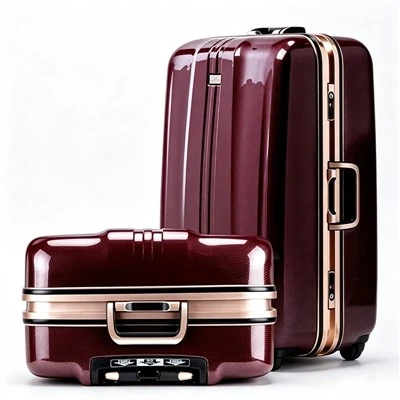
If you’re outfitting your team with new business luggage and want to test out different lock options, or need help figuring out what fits your travel style, reach out. We can send over samples, walk through use cases, and work with your team to find the perfect setup that doesn’t break the bank and keeps your team’s gear safe.
Outdoor Luggage References:
- Transportation Security Administration. (2024). TSA Approved Locks Guidelines. U.S. Department of Homeland Security.
- Global Business Travel Association. (2023). 2023 Corporate Travel Security Report. GBTA Foundation.
- Luggage Test Institute. (2024). 2024 Lock Performance Study for Travel Luggage. Independent Consumer Testing Group.
Guangdong Meijiamei New Material Technology Co., Ltd.
As one of the most professional business luggage manufacturers and suppliers in China, we also support customized service. Welcome to wholesale bulk high quality business luggage made in China here from our factory. If you have any enquiry about quotation and free sample, please feel free to email us.
Address: Building 6, No.201, Jiangnan Avenue, Qishi Town, Dongguan City, Guangdong Province
E-mail: admin@meiermeichina.com
WebSite: https://www.cnmeijiamei.com/
