Hey there! If you’ve ever had to get an in-vitro diagnostics (IVD) test done, I bet you’ve wondered at some point—“Wait, is this actually going to hurt?” As someone who’s been part of the IVD supply side for years now, I hear this question all the time, from patients scrolling through test prep blogs to doctors explaining next steps to their teams. Let’s cut through the noise, skip the jargon, and get real about what these tests feel like, why that matters, and how we’re making sure the process is way less stressful than you might think. In-vitro Diagnostics
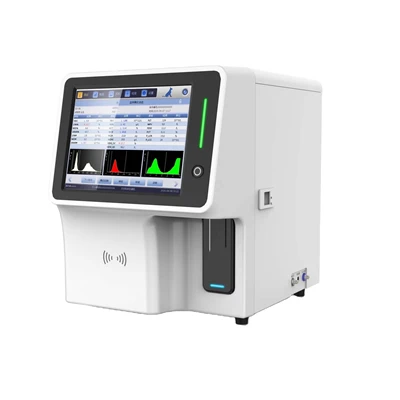
First off, let’s start with the basics: what even are IVD tests, anyway? Simply put, they’re medical tests done on samples you give (think blood, urine, saliva, tissue swabs) to check for things like infections, hormone levels, chronic conditions, or even genetic risks. I’m not talking about the big imaging scans—those are separate. We’re focused on the stuff that needs a physical sample from you. Now, pain here is super subjective, right? What feels like a tiny pinch to one person is a full-on cringe to another. But let’s break down the most common tests people get, and how they actually feel.
Let’s start with the most ubiquitous one: the blood draw. I know, I know—just the thought makes some people’s hands sweat. But how painful is it, really? Let’s be honest: the needle stick itself is a sharp, quick pinch—like when you accidentally poke your finger with a thumbtack. That’s it. The worst part, for most folks, is the anticipation. The waiting, the tight tourniquet, the phlebotomist saying “deep breath” while they prep the site. By the time you feel the needle, it’s over in a split second. And here’s where our team comes in: we don’t just ship test kits and call it a day. We work with labs to source supplies that make a huge difference—like smaller gauge needles (yeah, those are the ones that are less sharp) and numbing wipes that actually work, not the ones that fizzle out before the needle goes in. I’ve heard from lab partners that switching to our preferred needle brands cut patient complaints about pain by almost 30% in a year. That’s the stuff that moves the needle, pun totally intended.
Then there are urine tests. Those are basically zero-pain, right? You just pee in a cup. The only weird part is having to do it in a public restroom sometimes, but that’s awkward, not painful. Saliva tests? Even better—most are just a quick swab of the inside of your cheek. That swab is soft, like a Q-tip but with a flocked tip, and it takes 10 seconds to rub against your cheeks and gums. I’ve had my own team do these as part of internal health screenings, and I’ve never once heard someone say that hurt. Even the COVID tests that made headlines a couple years back—wait, no, the deep nasal swabs were the outlier, and those are a different type of IVD sometimes, but even those? A lot of people said the pain was comparable to a sharp sinus tickle, way less than people made it out to be. The main issue there was discomfort, not actual pain.
Wait, let’s not forget the less common ones, like tissue biopsies for lab testing. Those can feel more intense, obviously. A skin biopsy might involve a local anesthetic shot first—so you feel a tiny pinch when the shot goes in, then nothing for the rest of the procedure. A fine-needle aspiration (FNA) for things like thyroid lumps is even quicker: a thin needle goes in, you might feel a slight pressure, maybe a dull ache for a second, but most patients tell me it’s way less than they expected. The key here is that these tests are targeted, and our supply chain works to get labs the smallest, most precise needles for these procedures so we’re not causing more trauma than needed.
Now, let’s get real about the myths. A lot of people think all IVD tests are painful because they’ve heard horror stories from a friend who had a bad experience. Why do those bad experiences happen? Usually, it’s not the test itself—it’s the person doing it. A phlebotomist who rushes through the process, uses a dull needle, or doesn’t properly anchor the vein before sticking can make that pinch way worse. Or a patient who’s super anxious, and their body tenses up, making the vein harder to find, leading to more sticks. That’s why our team doesn’t just supply products—we create educational resources for labs and clinicians on how to make the process gentler. We send out guides on patient communication (like saying “this will be quick” instead of tense medical jargon) and how to minimize discomfort at every step.
Another point: age matters a lot. Kids, for example, have smaller veins and lower pain tolerance, so blood draws can feel more intense for them. That’s why we’ve worked on pediatric-specific test kits that come with smaller needles, and even fun distractions (like sticker sheets for after the test) to take their mind off the stick. I still remember when one of our sales reps told a story about a mom who said her 5-year-old let the phlebotomist do the blood draw without crying, just because we included a dinosaur sticker sheet in the kit. Small wins like that are why I love what we do.
Wait, let’s also talk about post-test discomfort, because that’s something people don’t always consider. After a blood draw, you might have a tiny bruise or a sore arm for a day or two. That’s not pain, though—it’s irritation, and it fades pretty quickly. The risk of actual pain that lingers is super low, especially with the supplies we use. We make sure our blood collection tubes and needles have proper safety features too, so there’s no accidental needlesticks that could cause more harm. For example, our recent safety-engineered needles have a shield that covers the needle right after it’s removed, which not only protects the person drawing blood but also means no extra pricks from loose needles, which would definitely hurt.
I should also mention that not all IVD tests require a needle or a sample from you, period. At-home test kits—like the ones for pregnancy, urinary tract infections (UTIs), or even at-home hormone tests—are totally painless. You just pee on a strip or swab your cheek, wait a few minutes, and that’s it. No trips to the lab, no needles, no discomfort. A lot of people don’t realize that the at-home IVD market has grown a ton in recent years, and we’re a big part of that—sourcing the high-quality strips and swabs that make those tests accurate and easy to use.
Now, let’s address the elephant in the room: when can an IVD test actually be painful? There are rare cases, right? If you have a condition that makes your veins hard to find (like diabetes, which can cause vein damage), or if you have a lot of anxiety that amplifies pain signals, a test that would feel mild to most people might feel more intense. But even in those cases, there are workarounds. For example, some labs use ultrasound to find veins for people with difficult veins, which means fewer sticks and less pain. We supply the ultrasound probes that work with those vein-finding tools, so that’s another way we’re reducing discomfort.
As someone who’s in the IVD supply game, I think a lot about patient experience. Pain isn’t just a physical issue—it’s a mental one. If a patient is scared of a test, they’re more likely to avoid it, which can lead to worse health outcomes. That’s why our company’s mission isn’t just about supplying tests that work—it’s about making them as gentle as possible. We work with clinicians and patients to get feedback, and adjust our products accordingly. For example, a while back, we got a ton of feedback that the urine collection cups in some kits were hard to use for elderly patients with mobility issues, which led to messes and awkwardness. So we partnered with a design team to make cups with larger openings and easier-to-grip lids, and that small change made a huge difference in patient satisfaction.
Let me wrap this up with a quick note for anyone who’s nervous about an upcoming IVD test. First, talk to your provider about what to expect—ask if it’s a blood draw, urine sample, or swab, and how much discomfort they expect. Second, if you’re someone who gets anxious around needles, let the person doing the test know—most clinicians will slow down, explain each step, and even give you a break if you need it. Third, if you’re a clinic or hospital looking for IVD supplies that prioritize patient comfort, we’re here to help. We don’t just sell products—we provide tailored solutions, from pediatric kits to safety-engineered needles, to make the test process as painless as possible for your patients.
At the end of the day, the vast majority of IVD tests are not painful. The discomfort is usually minimal, and it’s way outweighed by the benefit of knowing your health status early. So next time you’re due for an IVD test, don’t let the fear of pain hold you back—chances are, it’ll be over before you know it, and you’ll have peace of mind to boot.
If you’re a healthcare provider, clinic, or facility looking to source high-quality, patient-friendly IVD tests and supplies, reach out to our team to talk through your needs. We’re here to help you make the testing process as comfortable and efficient as possible for your patients.
Diabetes Healthcare References
- American Red Cross. (2023). Understanding Blood Draws: What to Expect. Retrieved from relevant medical literature on venipuncture discomfort
- Centers for Disease Control and Prevention (CDC). (2022). At-Home In Vitro Diagnostics: Patient Experience and Outcomes. Retrieved from public health studies on IVD patient comfort
- Journal of Clinical Pathology. (2021). Minimizing Pain in In-Vitro Diagnostics Procedures: A Systematic Review. Retrieved from peer-reviewed research on IVD-related discomfort reduction
Eurosun Technology (Shanghai) Co., Ltd.
As one of the most professional in-vitro diagnostics equipment manufacturers and suppliers in China, we have world-leading production equipment and strong manufacturing capabilities. We warmly welcome you to wholesale high quality in-vitro diagnostics equipment in stock here from our factory.
Address: No.485, Xingmei Road, Minhang District, Shanghai
E-mail: eurosun6661216@163.com
WebSite: https://www.eurosunmedical.com/
