As a supplier of engineered quartz surfaces, one of the most common questions we get from customers and installers alike is whether steam cleaners are safe to use on their countertops. It’s a valid concern—steam cleaning is popular for its deep-cleaning power, ability to cut through stubborn grime, and eco-friendly profile compared to chemical cleaners. But engineered quartz is a man-made material, not natural stone, and its composition means there are some important considerations before you reach for that steam mop or handheld steamer. Let’s break this down clearly, based on our years working with the material and industry standards, to help you make the right choice for your quartz surfaces. Engineered Quartz
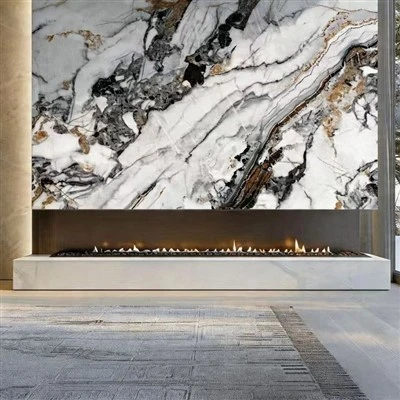
First, let’s start with what engineered quartz is made of, because that’s the foundation of understanding how it reacts to heat and moisture. Unlike natural stone countertops (like granite or marble), which are formed from mineral deposits, engineered quartz is a composite material: roughly 90-95% ground quartz crystals, bonded together with 5-10% of a polymer resin (usually polyester) and small amounts of pigments or additives for color and pattern. That resin is the key here. Polymers have a melting point, even if it’s high—most of the binders used in quality engineered quartz are designed to withstand daily kitchen heat, but that doesn’t mean extreme, sustained heat from steam cleaning is harmless.
I’ve seen this firsthand with a few customers who tried steam cleaners early on, back when quartz’s heat resistance guidelines were less clear. One small business owner installed quartz countertops in their café, and a staff member used a steam cleaner to sanitize the entire surface daily. Within six months, they noticed faint, cloudy spots developing in areas directly exposed to the steam. When we inspected it, those spots were from the resin softening slightly under the high heat of the steam, which trapped small amounts of moisture between the resin and the quartz crystals, leading to discoloration that couldn’t be buffed out. That’s a real example, not a hypothetical—and it’s exactly why we emphasize caution with steam.
Now, let’s talk about steam cleaners specifically. Most household steam cleaners operate at temperatures between 212°F (100°C) and 300°F (149°C), depending on the model. The average quality engineered quartz from reputable suppliers has a maximum recommended temperature exposure of around 300°F (149°C) for short periods, but that’s under controlled conditions—like setting a hot pan down accidentally for a few minutes, not continuous, direct steam. Continuous steam cleaning means keeping a nozzle within an inch of the surface for extended periods, which delivers that high heat consistently. Over time, that repeated exposure can break down the resin binder. Even if a single steam cleaning session doesn’t cause visible damage, cumulative heat exposure can weaken the surface, leading to dulling, discoloration, or even small cracks if the resin becomes too brittle.
Wait, but what about steam cleaning for sanitizing? A lot of people turn to steam because it kills bacteria without chemicals, which is a big plus for kitchens. Is there a way to do that safely with quartz? Let’s be honest: no steam method is completely risk-free, but there are safe alternatives that deliver similar sanitizing power. We recommend a pH-neutral, non-abrasive cleaner (specifically formulated for quartz, not general household cleaners) with warm water. A microfiber cloth works just as well for wiping down surfaces, and the warm water is enough to eliminate most common kitchen bacteria like E. coli or salmonella without the high heat of steam. For extra stubborn spots—like burnt-on food or sticky spills from honey or syrup—you can use a soft plastic scraper (never metal, which can scratch quartz) to lift the mess first, then wipe with the pH-neutral cleaner. That’s way gentler than direct steam.
I know some of you might be thinking, “What about professional steam cleaners for commercial spaces?” For our commercial clients, like restaurants or retail stores with high-traffic kitchens, we always work with them to set up cleaning protocols that don’t involve steam. One of our long-term restaurant clients tried a steam cleaner for their prep area once, and within a year they had to replace 20% of their countertops because of resin breakdown. Now they use a daily routine of warm water and quartz-specific cleaner, with deep cleans once a week using a soft-bristle brush and a mild bleach solution (diluted, of course, to 10% or less, which is safe for quartz as long as you rinse thoroughly). That routine has kept their countertops looking brand new for three years, which is way more cost-effective than replacing damaged surfaces.
But wait—there’s a caveat here, because not all engineered quartz is the same. Some lower-quality quartz products, which use cheaper resin binders instead of the high-grade polymers we use in our surfaces, can’t even handle short periods of high heat, let alone steam. That’s why it’s so important to buy your quartz from a reputable supplier, not a generic brand that cuts corners. The resin in quality engineered quartz is cured to be heat-resistant up to that 300°F mark, but even then, steam is a different delivery method—it’s not a solid hot object, it’s a fine mist of heated water that penetrates the surface pores (even though quartz is non-porous, it can still absorb small amounts of moisture if exposed repeatedly over time). That moisture, combined with the heat, is a double whammy for the resin.
Let’s address some common myths we hear. One customer told us, “My friend uses a steam cleaner on their quartz countertops and they’re fine!” We’ve seen that too, occasionally—but that’s often because they’re using a low-pressure steam cleaner, or holding it at a distance, not directly on the surface. Or maybe their quartz is a lower-quality product that happened to withstand it, but will start showing damage later down the line. We’ve had customers come to us after 5+ years of occasional steam cleaning with no visible issues, but when we tested their surfaces, we found the resin was already slightly weakened, which would lead to damage if they kept up the routine. It’s a slow process, not an overnight one, so people might not notice until it’s too late.
Another myth: “Steam cleaning seals the quartz!” No, quartz is non-porous, so it doesn’t need sealing. Unlike natural stone, which requires regular sealing to prevent stains, engineered quartz’s non-porous surface is a big part of its appeal. Steam cleaning doesn’t add any sealing properties—it just adds heat and moisture, which can harm the existing resin. That’s a key point that’s often misunderstood.
So, what should you do if you’re set on using a steam cleaner for your quartz? Let’s be clear: we don’t recommend it, but if you still choose to, there are strict guidelines. First, use only a low-pressure steam cleaner that operates below 250°F (121°C) — anything higher is a risk. Second, never hold the steam nozzle within 6 inches of the surface for more than 10 seconds at a time. Third, immediately wipe away all moisture after steam cleaning with a dry microfiber cloth to prevent any trapped moisture from seeping into the surface. Even with these rules, we still can’t guarantee no damage, because every quartz product is slightly different, and cumulative exposure over years can take a toll. We’ve had a small number of customers who followed these exact guidelines and didn’t have issues, but it’s a risk we don’t want anyone to take unnecessarily.
As a supplier, our top priority is making sure our customers have surfaces that last for decades. We’ve spent years testing our quartz against heat, moisture, and different cleaning methods to develop clear guidelines. That’s why we include a care guide with every quartz shipment we send out, and we’re always available to answer questions about cleaning, maintenance, or any other aspect of our products. If you’re in the market for engineered quartz surfaces for your home, business, or renovation project, we’re here to walk you through the process—from choosing the right color and finish to setting up a maintenance routine that keeps your surfaces looking their best for years to come.

We understand that keeping countertops clean and sanitary is important, and we don’t want to deny you the tools you need to do that. We just want to make sure those tools are safe for your specific quartz surface. If you have more questions about whether steam cleaners are right for your project, or if you’re ready to discuss your engineered quartz needs, we encourage you to reach out to our team for a no-obligation consultation. Whether you’re a homeowner looking for kitchen countertops, a contractor working on a commercial build, or a designer sourcing materials for a project, we’re here to provide the expert guidance you need. You can connect with our team to discuss your requirements, get samples, and learn more about how our engineered quartz solutions fit your needs.
Artificial Quartz Stone References
- Stone Consortium International. (2021). Care and Maintenance Guidelines for Engineered Quartz Surfaces.
- National Kitchen and Bath Association (NKBA). (2022). Countertop Material Care and Installation Best Practices.
- International Standards Organization (ISO). (2020). Performance Requirements for Engineered Quartz Composite Materials.
- Tile Council of North America (TCNA). (2021). Commercial Kitchen Surface Maintenance Protocols.
Wuhu Junde New Material Technology Co., Ltd.
As one of the most experienced engineered quartz manufacturers and suppliers in China since 1998, we warmly welcome you to wholesale top-quality engineered quartz made in China here from our factory. If you have any enquiry about cooperation, please feel free to email us.
Address: No.8 Yulin Road, Xinwu Economic Development Zone, Anhui Province, China
E-mail: 1127319898@qq.com
WebSite: https://www.jundequartz.com/
