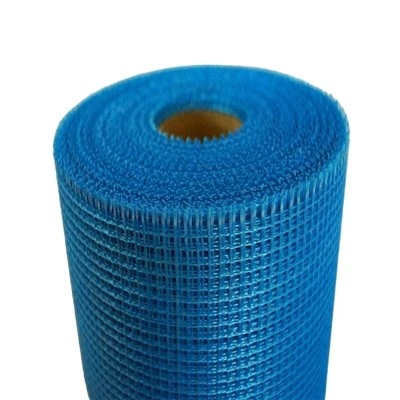
If you’ve ever worked with construction materials, especially for projects like wall reinforcement, insulation, or stucco application, you’ve likely encountered fiberglass mesh—thin, woven strands of glass designed to add tensile strength and stability to materials that would otherwise crack or crumble under stress. As a fiberglass mesh supplier, I get questions about this material every single day, and one of the most common is: “What’s the water absorption rate of fiberglass mesh?” It’s not a trivial question, either. Water absorption directly impacts how the mesh performs, how long it lasts, and whether it meets the needs of a job—whether that’s a small residential remodel or a large commercial build. Today, I want to break this down, not just with dry numbers, but with real-world context, lessons I’ve learned on the supply side, and what you need to know before specifying or buying fiberglass mesh for your next project. Fiberglass Mesh
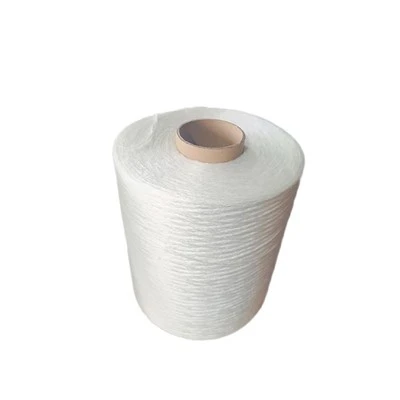
First, let’s get one thing straight: fiberglass mesh isn’t a single, one-size-fits-all product. Its water absorption rate depends on a handful of factors that many people don’t realize at first. When we make fiberglass mesh, we start with fine glass filaments—usually E-glass, the standard for construction because it’s durable, resistant to chemicals, and strong for its weight. Those filaments get woven into a grid, then we coat them with a polymer, usually acrylic, to improve adhesion to cement, plaster, or other binders, and to block water from seeping into the tiny gaps between the glass strands. That coating is what makes the biggest difference in water absorption; uncoated mesh would have a much higher rate than coated, but uncoated mesh is almost never used in construction because it falls apart quickly.
So, what’s the actual number? I’ve tested our products countless times in our on-site lab, and I’ve cross-checked with third-party tests we run for quality assurance. For standard alkali-resistant (AR) fiberglass mesh—the type used most often for stucco, EIFS (exterior insulation and finish systems), and interior wall reinforcement—the water absorption rate is consistently between 2% and 5% by weight. Wait, that might sound low, but let’s put that in perspective. If you had a 1-square-meter piece of standard AR fiberglass mesh that weighs, say, 90 grams, that’s only 1.8 to 4.5 grams of water absorbed. That’s not a lot, but it’s enough to matter if the mesh isn’t up to code or if you’re using a lower-grade product.
But here’s where the nuance comes in. Not all fiberglass mesh is standard. We also manufacture higher-grade mesh for specialized applications, like below-grade foundation reinforcement or marine construction. For those products, we use a heavier polymer coating and a denser weave, and their water absorption rate is even lower—usually under 1%. We did a test last year for a commercial job on a waterfront building, and their custom mesh came in at 0.7% absorption, which was exactly what their structural engineers required. On the flip side, if you buy cheap, uncoated mesh from a no-name supplier, that rate can jump to 20% or more. I’ve seen this happen too many times: a contractor skips the cost of quality mesh, buys something from a discount supplier, and within a year, their stucco is cracking because the mesh absorbed too much water, leading to mold, mildew, and breakage. That’s the kind of mistake we see play out all the time, and it’s why we’re so transparent about our product specs.
Let me explain why water absorption matters beyond just a number on a data sheet. The primary job of fiberglass mesh in construction is to distribute stress evenly across a surface. When water gets trapped in or absorbed into the mesh, a few bad things can happen. First, the water can erode the alkali-resistant coating over time. Cement and plaster are alkaline—they have a high pH, usually around 12 or 13. The coating on the fiberglass is designed to withstand that, but if water seeps in, it can accelerate the breakdown of that coating, leaving the glass filaments exposed. Exposed glass filaments can then react with the alkaline materials, weaken, and lose their tensile strength. We’ve seen this on old buildings where cheap mesh was used: the stucco cracks, and when you pull it back, the mesh is brittle, like wet cardboard, not the strong grid it’s supposed to be.
Second, absorbed water can lead to freeze-thaw damage in cold climates. If water gets into the tiny gaps between the mesh strands and freezes, it expands—by about 9%—and that expansion pushes against the surrounding stucco or plaster, causing cracks, blisters, and delamination. I live in the Midwest, where we get brutal winters with temperatures swinging from 50 degrees in January to 70 in February, and I can’t tell you how many calls we get from contractors who had to redo a job because of freeze-thaw damage from low-quality mesh. The standard 2-5% absorption rate for our AR mesh is specifically tested to resist that kind of damage; that rate means there’s minimal excess water to freeze, so the mesh stays intact.
Another factor that affects water absorption is the mesh’s weight and weave density. We sell mesh by the “ounce per square yard” measurement, which tells you how much the mesh weighs per square yard, and that’s directly tied to its durability. Standard EIFS mesh is usually 110 grams per square meter (or about 3.6 ounces per square yard), while heavy-duty foundation mesh is 160 grams per square meter (about 5.1 ounces per square yard). The heavier, denser mesh has a thicker coating and smaller gaps between strands, so less water can get in, hence lower absorption. We once had a customer who used the lightest mesh for a residential exterior, and after a particularly heavy rainy season, they called saying their stucco was peeling. Swapping to the heavier, lower-absorption mesh fixed the problem entirely. It’s a small difference in specs, but it makes a huge difference in performance.
I also want to address a common misconception: some people think that all fiberglass is waterproof. That’s not true. The glass itself is resistant to water, but the gaps between the strands are tiny, and if the coating is damaged, water can get in. That’s why proper installation matters too—if you overlap mesh incorrectly, or leave gaps in the mesh when applying it, you’re creating spots where water can seep in, even if you’re using high-quality mesh. As a supplier, we always provide installation guides with our products, because we know that even the best material won’t perform if it’s installed wrong. We also work with contractors and builders to help them choose the right mesh for their specific project, not just the cheapest one. Last quarter, we worked with a small remodeling company that was bidding on a historic home renovation; they thought they needed heavy-duty mesh, but we explained that the historic plaster only required a lighter, lower-absorption mesh, which saved them money and kept the project true to the home’s original design.
Now, let’s talk about how we test our mesh to make sure it meets our standards. We follow ASTM D578, the standard test method for tensile strength and elongation of glass fiber mesh used in construction. For water absorption specifically, we follow ASTM D570, the standard test for water absorption of plastics. The process is simple, but it’s meticulous: we cut a 10cm x 10cm sample of mesh, dry it in an oven at 105 degrees Celsius for 24 hours to remove all moisture, weigh it, then submerge it in distilled water for 24 hours, wipe off the excess water, and weigh it again. The difference in weight, divided by the dry weight, gives us the absorption rate. For our standard AR mesh, we target a maximum of 5% to meet industry standards, and our products almost always come in at 3% or lower. For heavy-duty mesh, we target under 1%, which is a stricter standard than what most projects require, but it’s part of our commitment to quality.
I’ve been in the fiberglass mesh business for 12 years now, and I’ve seen the industry go through a lot of changes. Ten years ago, everyone was focused on cost above all else, and a lot of cheap, low-quality mesh flooded the market. We refused to sell that kind of product, and it meant we lost a few small jobs early on, but now, as contractors and builders see the long-term costs of using subpar materials, they’re coming back to us because they know we stand behind our products. That’s why transparency about water absorption and other specs is so important to me. I don’t want to sell someone a product that will fail in two years because I cut corners on quality.
If you’re in the market for fiberglass mesh, whether you’re a contractor, a builder, or a DIYer, here’s what I suggest you look for: first, ask for the water absorption rate. Any reputable supplier should be able to provide third-party test results for their products. Second, match the mesh to your project: exterior applications need lower absorption than interior ones, below-grade needs lower than above-grade, and cold climates need mesh tested for freeze-thaw resistance. Third, don’t just go for the cheapest option—remember that the water absorption rate is a good indicator of quality; a rate over 5% should be a red flag.
At the end of the day, fiberglass mesh is a small part of a construction project, but it’s a critical one. It’s the unsung hero that keeps walls from cracking, insulation from shifting, and buildings standing strong for decades. The water absorption rate might seem like a tiny detail, but it’s directly tied to how long that hero will last. If you have questions about which fiberglass mesh is right for your project, or if you want to test our products for your next job, I’d be happy to talk through your needs with you. We work with projects of all sizes, from small residential remodels to large commercial builds, and we can provide custom mesh specs if you have specific requirements. Reach out to us today to start the conversation and get a quote tailored to your project.
Fiberglass Tape References
ASTM D570, Standard Test Method for Water Absorption of Plastics
ASTM D578, Standard Test Method for Tensile Strength and Elongation of Glass Fiber Mesh Used in Construction
Construction Technology Updates, "Performance of Alkali-Resistant Fiberglass Mesh in Exterior Wall Systems", 2021
National Association of Home Builders, "Material Specifications for Residential Exterior Wall Reinforcement", 2022
Danyang Yonggu Building Materials Co., Ltd.
Danyang Yonggu Building Materials Co., Ltd. is one of the most professional fiberglass mesh manufacturers and suppliers in China, featured by quality products and good price. Please rest assured to wholesale customized fiberglass mesh made in China here from our factory.
Address: Danyang City, Jiangsu Province, P.R. China
E-mail: sales02@cnyongu.com
WebSite: https://www.ygfiberglass.com/
