Hey guys, if you’ve ever ordered steel pipes from a supplier (shoutout to all the regulars and new folks hanging here), you’ve probably stumbled on a random bag of weird-shaped metal bits that come in the delivery. I’m talking elbows, tees, caps—all those parts that make a straight pipe system actually work. Let’s cut through the jargon and break down what these pipe fittings are, why they matter, and how we (your go-to steel pipe supplier) pick the right ones to pair with our tubes. No stuffy textbook talk, just real stuff I wish someone told me when I started in this game. Steel Pipe
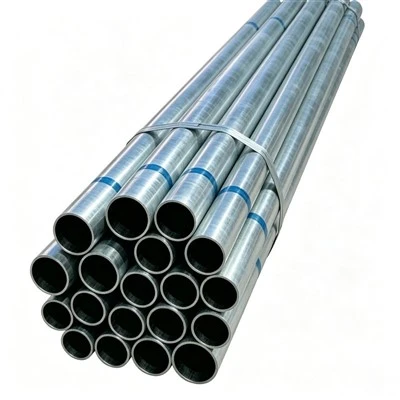
First off, let’s get one thing straight: steel pipes alone don’t do much. Yeah, they carry water, gas, whatever your project needs, but fittings are the glue that turns a line into a system. Think of it like building with Lego—you can have all the long bricks, but you need corners, end caps, and cross pieces to make a whole castle (or a plumbing network for a new factory, same energy). As a supplier, I don’t just sell 6-inch steel pipes and call it a day. I help clients match the right fittings to their pipes because a wrong fit can lead to leaks, downtime, or even big safety messes.
Let’s run through the most common fittings you’ll see, no confusing part numbers (well, maybe a few relatable ones). First up: elbows. These are the L-shaped ones, the OG of pipe bends. They’re not the curved plastic ones you have under your kitchen sink—steel elbows are heavy-duty, made to turn lines without crimping. Most common are 90-degree elbows (for sharp turns around walls or equipment) and 45-degree ones, which make softer bends to keep flow smooth. Pro tip: there’s also long-radius elbows vs. short-radius. Short-radius is tight, good for when you need to save space, but long-radius is better for high-pressure lines—less turbulence means less wear over time. I once worked with a construction team that grabbed short-radius 90s for a gas line, and within a month, the pressure dropped because the tight bend was slowing it down. Now they always ask for long-radius when I offer.
Next, tees. These are the T-shaped guys, perfect if you need to split a pipe line into two directions. Got a main water line that needs to feed a sink and a hose bib? A tee is your answer. There are equal tees (all three ends same size) and reducing tees (one end smaller, for when you need to branch off a thinner line). We also have cross tees, which have four ends—for when you need to split a line three ways. Last quarter, a brewery ordered 12-inch cross tees to run lines for their new canning station, and it worked like a charm. No leaks, no kinks, just exactly what they needed.
Then there are end caps and plugs. End caps are those round, flat covers that seal the end of a pipe. Plugs are similar, but they screw or thread into the inside of a pipe, great for temporary sealing or if you need to take it apart later. I see so many new clients skip these or grab the wrong size—just because your pipe is 4 inches doesn’t mean a 4-inch cap will fit. You have to match the outer diameter or the thread size, depending if it’s threaded vs. welded pipe. Always double-check, trust me.
Wait, don’t forget reducers. These are the tapered fittings that connect two pipes of different sizes. If you have a 10-inch main line that needs to hook up to a 6-inch valve, a reducer is what bridges that gap. There’s concentric reducers (symmetrical, flat sides, good for vertical lines where you don’t want air pockets) and eccentric reducers (offset, good for horizontal lines to stop sediment from building up). I had a mechanic client who used concentric reducers on his horizontal oil lines, and it caused a clog within a week. Switched to eccentric, no problems since. Lesson learned.
Oh, and flanges! These are the ring-shaped ones that bolt two pipes together (or pipe to a valve, pump, tank). They’re super important for systems that need to be taken apart regularly, like factories that do maintenance on their pumps. Weld-neck flanges are the heavy-duty ones, great for high pressure, and slip-on flanges are easier to install for smaller projects. A lot of people mix up flanges and adapters—adapters are for connecting different types of pipes (like steel to PVC), while flanges are for joining steel pipes directly.
Now, why does as a supplier care so much about these? Because if I send a client the wrong fitting, it’s on me. Last year, a guy ordered 20 steel pipes for a residential plumbing job, and he asked for elbows that fit 2-inch schedule 40 pipe. I grabbed the standard threaded elbows, but turns out he needed butt-weld elbows for his specific pipe. He came back two days later, frustrated, and I got him the right ones no charge. That’s when I realized—fittings aren’t an afterthought. They’re part of the whole package. I don’t just sell steel pipes; I sell a solution, and that means making sure every piece works together.
Let’s talk about how fittings are made, quick, because it matters for durability. Most steel pipe fittings are either forged or welded. Forged fittings are heated and hammered into shape—super strong, great for high-pressure applications like oil and gas. Welded fittings are made by cutting and bending steel plates, cheaper, good for lower-pressure stuff like irrigation lines. We only stock forged fittings for industrial jobs because they last longer, and welded for smaller, residential projects where budget is tight. I always tell clients to ask about the material too—galvanized fittings for outdoor use to resist rust, carbon steel for general use, stainless steel for food or chemical lines. A food processing plant can’t use galvanized fittings—zinc leaches into the food, yikes. That’s a mistake I see new suppliers make, but not us.
Also, size matters more than you think. Schedule number (like schedule 40, 80) is not just a random number. Schedule refers to the wall thickness of the pipe, so a schedule 80 fitting is thicker, stronger than schedule 40. If you use a schedule 40 fitting for a schedule 80 pipe, it’ll be loose and leak. I give every client a cheat sheet when they order, but I always double-check their project details to make sure. Last month, a farmer ordered schedule 40 pipes for his irrigation, but his main line needed schedule 80 to handle the pressure. I caught it before shipping, saved him a ton of time and money.
Wait, what about other fittings you might hear about? Like couplings, which join two pipes end to end—for when your pipe isn’t long enough, or you need to fix a break. Unions, which are like couplings but let you take the pipe apart without cutting it, perfect for plumbing under sinks where you might need to replace a fixture later. And traps—P-traps, specifically, for plumbing lines, that hold water to keep sewer gas from coming up into your house. All these are part of the steel pipe family too, and we stock them all.
A lot of people ask me, “Can I use plastic fittings with steel pipes?” Short answer: sometimes, but not usually. Plastic can’t handle as much pressure or temperature as steel, so it’s only for low-stress, indoor projects. Outside, steel fittings are non-negotiable—plastic will crack in cold weather or from sun exposure. I had a client who used PVC fittings on his outdoor sprinkler system, and within a year, they all broke during a freeze. Switched to steel, and it’s been 3 years no issues.
Now, let’s talk about common mistakes people make when choosing fittings. First, not checking pressure ratings. Every fitting has a max pressure it can handle, and if your line exceeds that, it’ll burst. Second, mismatching thread types. National Pipe Thread (NPT) is the standard in the US, but there’s also BSP in other countries. If you’re exporting or importing, make sure you get the right thread. Third, ignoring material compatibility. Like I said earlier, galvanized vs. stainless vs. carbon steel—using the wrong one can cause corrosion or contamination. Fourth, buying cheap fittings to save money. I’ve seen cheap elbows break mid-install, leading to a flooded basement or a stopped production line. A few extra bucks for a quality fitting is way better than the cost of fixing a mess.
As a steel pipe supplier, we don’t just dump fittings in a box with your pipes. We label everything clearly, note the schedule, material, and pressure rating, and we’re always here to answer questions. If you’re not sure what you need, just send us the details: what’s the line for, pressure, size, where it’s installed, and we’ll hook you up. No confusing sales pitches, just straight talk. I’ve been in this business for 12 years, and the best part is when a client comes back, says our fittings worked better than the last supplier’s, and brings a friend. That’s how we do things.
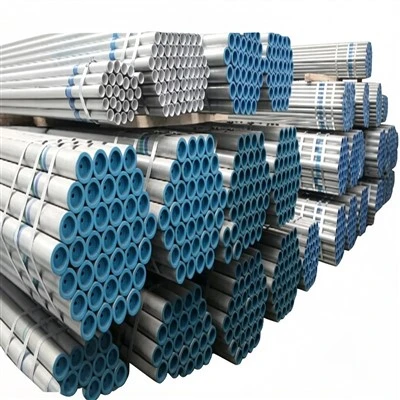
If you’re working on a project—residential plumbing, commercial building, industrial plant, whatever—and you need steel pipes plus the right fittings to make it work, hit us up. We’ve got all the standard stuff in stock, and we can get custom fittings too if you need something specific. Don’t guess at the fittings; get it right the first time, save yourself the headache.
Fitting References
- Matthews, J. (2021). Pipe Fittings: Selection and Application for Industrial Systems. Industrial Press.
- American Society of Mechanical Engineers (ASME). (2022). B16.9: Factory-Made Wrought Steel Buttwelding Fittings. ASME International.
- Miller, L. (2020). Residential Pipe Plumbing: Materials and Best Practices. Home Repair Books.
- National Fire Protection Association (NFPA). (2023). NFPA 13: Standard for the Installation of Sprinkler Systems. NFPA.
Shenzhen Gangyuanlong Building Materials Co., Ltd.
As one of the most professional steel pipe manufacturers and suppliers in China, we also support customized service with low price. Please feel free to wholesale premium steel pipe in stock here from our factory. Also, quotation is available.
Address: No. 10-1, Jinlong 4th Road, Baolong Community, Longgang Subdistrict, Longgang District, Shenzhen
E-mail: szgylco@gmail.com
WebSite: https://www.szgylco.com/
