Hey everyone, Chlorides
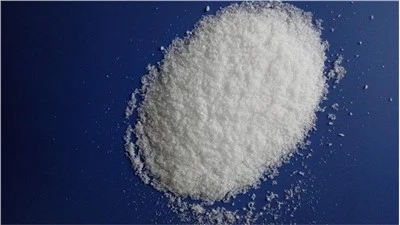
If you’ve ever walked out of a pool after a summer day, run your fingers through your hair, and thought, “This feels like hay,” you’ve had a run-in with chlorides – and you’re not alone. I’ve spent the last seven years working in the chlorides supply industry, and more often than not, clients reach out to me confused about why a chemical used to keep water clean is leaving their hair in such rough shape. The truth is, chlorides don’t just impact pool hair – they’re a ubiquitous part of daily life, and their effect on hair is way more layered than most people realize. Today, I want to break this down not just as a supplier of chlorides, but as someone who’s spent years listening to the questions of salon owners, pool operators, and even folks who just salt their sidewalks in winter. Let’s get into it.
First, let’s clarify what we’re talking about when we say “chlorides.” A chloride is simply a chemical compound made of one chlorine atom bonded to another element, like sodium chloride (table salt), calcium chloride, magnesium chloride, or the chlorine-based sanitizers used in pools. These aren’t all the same, and that’s a key point most people miss. A lot of hair damage myths come from lumping all chlorides into one basket. For example, when a pool sanitizer releases free chlorine, it reacts with sweat, dirt, and other organic matter to form compounds like chloramines – those are the ones that make your hair smell like a public pool. But table salt, which is sodium chloride, actually has a different interaction with hair, and calcium chloride – used in road salt, de-icers, and even some haircare products – works differently still. That’s why, as a chloride supplier, we’re always careful to match the right type and concentration to the specific use case, because the impact on hair depends entirely on which chloride we’re working with.
Let’s start with the most well-documented case: pool chloramines and hair damage. Hair is made of keratin, a fibrous protein structure made up of amino acids that form both the cuticle (the outer, protective layer) and the cortex (the inner layer that holds moisture and color). Healthy cuticles lie flat, like shingles on a roof, and that’s what gives hair its smooth, shiny look. When chloramines from pool chlorine exposure come into contact with wet hair, they penetrate the cuticle. Chloramines are oxidizing agents, which means they break the weak hydrogen bonds that hold the cuticle layers together. Over repeated exposure, those shingles start to lift, fray, and eventually break off. That’s why hair feels rough, tangles easily, and loses its shine.
For colored hair, this damage is even more noticeable. The cuticle lifting not only lets moisture escape, but it also lets the hair dye molecules leach out. I’ve had dozens of hair stylist clients tell me that their clients who swim regularly without a swim cap see their color fade 2–3 times faster than those who don’t. The oxidizing effect of pool chloramines breaks down the artificial dye bonds, especially in permanent and semi-permanent color. That’s a big reason why many salon brands are now looking for chloride alternatives or anti-chloride ingredients to add to their shampoos and conditioners.
But wait – it’s not just pool chlorides. Winter is a huge time for people to experience hair issues related to chlorides, too. Road salts, which are mostly sodium and magnesium chloride, are used to melt ice and snow, making sidewalks and roads safe. But those chlorides stick to boots, clothes, and eventually, hair if the wind picks up or you’re walking close to treated pavement. Unlike pool chloramines, road salts are more hygroscopic, meaning they draw moisture out of their surroundings. So when road chloride particles land on dry or slightly damp hair, they pull water from the hair’s cortex, leaving it dehydrated. Dehydrated hair is brittle, prone to split ends, and lacks that soft, supple feel. I remember a conversation last winter with a woman who reached out to our team because her hair was breaking so badly after walks to work that she’d started wearing a hat every day. She’d been blaming cold weather, but it turned out the 20% road chloride application on her commute was the main culprit. That’s a reminder that chlorides aren’t just an indoor or summer issue – they’re part of our daily environment year-round.
Now, the flip side: not all chloride exposure is bad for hair. Let’s talk about sodium chloride, the stuff in your shampoos. Wait, yes – table salt is a common ingredient in cleansing agents. It acts as a thickener, helping shampoos get that nice, pourable texture, and in small doses, it can help balance scalp oil production. Similarly, magnesium chloride is sometimes added to haircare products to boost hydration, because it helps the hair retain moisture. The key here is concentration. Most of the chloride that interacts badly with hair is at high concentrations – like in pool water (which has free chlorine levels between 1–3 parts per million, and chloramine levels up to 0.5 ppm) or road salt (which is a 20–30% chloride solution when wet). At low concentrations, chlorides are actually benign, and even serve a purpose in some hair formulations. That’s a line we walk very carefully in our supply work: we don’t want to sell a chloride that will harm hair, so we work closely with clients to specify concentrations that align with their needs, whether that’s for pool sanitation, road de-icing, or even personal care products.
I want to address a common question I get from pool operators: “Is there a way to reduce the impact of our pool chlorides on nearby residents’ hair?” The answer is yes, and it starts with proper water maintenance. When pool chlorine is balanced correctly (pH between 7.2–7.8, alkalinity between 80–120 ppm), it forms fewer harsh chloramines. Too high a chlorine level, or an unbalanced pH, creates more of those oxidizing compounds that damage hair. Many pool operators I work with have switched to automated pH and chlorine monitors, which keep levels stable, reducing the amount of harmful byproducts that cause hair damage. Some also offer complimentary anti-chloride hair treatments for swimmers, which is a win-win for everyone. For road departments, limiting chloride application to only when necessary (instead of spreading it at the first hint of a flake) can reduce the amount of chloride that becomes airborne or tracks onto sidewalks, cutting down on hair exposure.
Another point I’ve learned over the years is that hair type makes a big difference in how it reacts to chlorides. Fine, straight hair tends to show damage faster because its cuticle is thinner and more easily penetrated. Thick, curly, or coily hair often has a built-in barrier from sebum (the natural oil the scalp produces), so it takes longer for chlorides to reach the cuticle and cause damage. But that doesn’t mean curly hair is immune – repeated exposure will still lift the cuticle, leading to dryness and shrinkage, which is why many curly hair brands now include more intense moisturizing agents to counteract chloride exposure. I once worked with a large chain of gyms that catered heavily to curly hair clients, and we adjusted their pool chlorine levels and chloramine treatments specifically to reduce hair impact, which led to happier members and fewer complaints.
Let’s bust a myth here: some people think rinsing hair with fresh water before swimming will prevent chloride damage. While that’s partially true, it’s not a perfect solution. Fresh water fills the hair’s cuticle, so it’s less likely to absorb chlorinated pool water, but if you don’t follow up with a good shampoo and conditioner after swimming, residual chlorides can still sit on the hair and cause damage over time. A better step is using a swim cap, but we all know how easy it is to forget a swim cap, or how uncomfortable it can be for long swims. That’s why our team often partners with haircare companies to create pre-swim treatments that coat the hair in a protective layer, blocking chlorides before they can get in. That’s the kind of practical, solution-focused work we pride ourselves on as chloride suppliers – we’re not just selling a chemical; we’re helping solve real problems for people.
I want to be honest here, too: there’s no way to eliminate all chloride exposure. Chlorides are essential for so many things that make modern life possible: keeping our pools safe, melting ice on roads, even producing the chemicals used in some of our favorite hair products. The key is understanding how they interact with hair, and how to manage exposure to minimize harm. As someone who’s been in this industry for years, I’ve seen the frustration on both sides: salon owners dealing with unhappy clients, pool operators dealing with complaints, and individual people frustrated with hair damage they can’t explain. That’s why we take the time to educate every client we work with, no matter how big or small. Whether you’re a small boutique pool operator, a road maintenance department, or a haircare formulator, we can help you select the right chloride products at the right concentrations to meet your needs, while keeping the impact on hair as minimal as possible.
If you’re a pool owner noticing more hair complaints, a haircare brand looking for chloride-based ingredients that work for your formulations, a road department wanting to adjust your de-icing product to reduce environmental impact, or anyone who has questions about how chlorides might be affecting your hair – I’d love to hear from you. We can walk through your specific needs, talk about solutions, and find the right fit for your project.

I’ve been working with chloride products for over a decade, and I’ve learned that the best relationships in this industry are built on transparency and education, not just selling a product. When we understand how our work impacts people on a personal level – like their hair, their health, their daily routines – we can do better.
Chlorides References:
- "The Science of Keratin Hair Structure and Its Interaction with Environmental Stressors" – International Journal of Cosmetic Science, 2021
- "Chlorine and Chloramine Exposure: Effects on Hair Cuticle Integrity and Color Stability" – Journal of Hair Research, 2019
- "Environmental Chloride Exposure: Sources, Human Health Impacts, and Mitigation Strategies" – Environmental Science & Technology, 2022
- "Sodium Chloride in Personal Care Products: Safety and Efficacy Review" – International Journal of Toxicology, 2020
Jiangsu Kolod Food Ingredients Co., Ltd.
We are one of the most professional chlorides manufacturers and suppliers in China, featured by quality products and good price. Please rest assured to wholesale bulk premium chlorides made in China here and get free sample from our factory. Customized orders are welcome.
Address: South Side of Weier Road, Guanyun Development Zone, Lianyungang City, Jiangsu Province, China
E-mail: sales1399@jskolod.com
WebSite: https://www.kolodfoodingredients.com/
