As someone who’s spent the last decade working directly with electric tricycles— first as a technician in our workshop, now as a supplier who chats with shop owners, delivery drivers, and hobbyists every week— I’ll admit I’ve seen my share of preventable chain issues. Last month, a regional delivery driver brought his e-trike to our team; his chain had snapped mid-route, leaving him with a backload of refrigerated snacks stranded on the side of a highway. The culprit? A missed lubrication schedule, and a chain that was coated in road grime and dry, brittle lube that had turned to sludge. Electric Tricycle
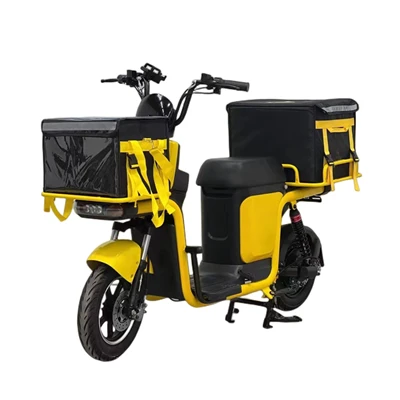
If you’re reading this, chances are you rely on your electric tricycle (e-trike) for daily work, neighborhood deliveries, or even weekend errands— and your chain is one of its most underrated components. It transfers power from your motor’s sprocket to the rear wheel, handling thousands of rotations a day, and without proper care, it can cut your range by 15-20%, cause uneven power delivery, or even leave you stuck with a broken part mid-task.
Lubricating your e-trike chain isn’t rocket science, but it’s not just spraying any random oil on it, either. As a supplier, I’ve tested dozens of lube products on our own inventory of e-trikes, worked through common mistakes with customers, and developed a step-by-step process that’s proven reliable across our entire product line. Let’s break it down, the way we teach our service teams and our wholesale clients.
First, why is e-trike chain lubrication different from a regular bicycle chain? That’s a question I get all the time, and it’s one that trips up a lot of new e-trike owners. Unlike a standard bike, which relies on a human rider’s pedaling power, e-trikes have a far higher torque output— especially for cargo models, which often carry 500+ pounds of goods. That extra torque means chain links experience more stress, and any grime or old lube is more likely to abrade the metal, leading to stretch or premature wear. Also, e-trikes are often used in hilly areas, rainy climates, or on unpaved paths— environments that fill the chain with dust, mud, and road debris far faster than a recreational bike sees.
Choosing the right lube is the first, and most important, step. I’ve seen customers buy thick automotive grease because it “seems” sticky, only to find it traps more grime than it lubricates, turning the chain into a gritty, abrasive mess within a week. I’ve also seen them use light sewing machine oil, which burns off quickly under the e-trike’s high heat from the motor. The best options, per our testing, are dry lube for dusty conditions, wet lube for wet or muddy areas, and ceramic lube for heavy cargo models or high-torque systems. Dry lube is thin, repels dust, and is easy to apply— perfect for suburban or arid climates. Wet lube is thicker, water-resistant, and holds up in rain or snow, though it does attract more dirt, so you’ll need to wipe off excess after application. Ceramic lube is our top pick for commercial delivery drivers; it reduces friction by up to 30% compared to standard lubes, which boosts your battery life and reduces chain wear over time. Avoid multi-purpose oils, vegetable oils, or any product labeled as “penetrating oil” — those don’t stand up to the stress of an e-trike chain.
Now, let’s get to the step-by-step process. I recommend doing this every 200-300 miles, or whenever you notice a squeak, rough shifting, or the chain feeling dry to the touch. If your e-trike is used in extremely dusty or muddy conditions, check it every 100 miles.
Step 1: Prep your space and tools. You don’t need a fancy workshop— just a flat, dry spot where you can lay your e-trike on its side (or use a bike stand if you have one) so the chain is fully accessible. Gather a few basic supplies: a stiff bristle brush (an old toothbrush works, but a small wire brush designed for chains is better), a clean rag, your chosen lube, and a small can of degreaser (or even rubbing alcohol, if degreaser isn’t available). Never skip the cleaning step— applying new lube over old, dirty lube is like putting a band-aid on a cut that’s still covered in dirt.
Step 2: Clean the chain. This is the most critical part. Start by applying a small amount of degreaser to the chain links, making sure to coat every section— pay extra attention to the links that wrap around the front and rear sprockets, which usually hold the most grime. Let the degreaser sit for 2-3 minutes to break down old lube and caked-on dirt. Next, use your brush to scrub each link, moving the chain slowly by hand as you go to work the brush between every joint. If your chain is really grimy, you can also wrap an old rag around the chain and turn the rear wheel by hand to wipe away excess grime. Once you’re done, wipe the entire chain down with a clean, dry rag until there’s no more black gime left. A good test: when you’re done, the links should look shiny, not dull or caked with grime.
Step 3: Apply the lube. Now, grab your lube. It’s tempting to douse the chain, but less is more here. Too much lube will attract more dirt, create a mess on your bike frame, and even get on your tires, which can cause slipping. I recommend applying lube to the underside of each link (the part that wraps around the sprockets) as you turn the rear wheel slowly by hand. For every full rotation of the chain, apply one or two small drops to each section. If you’re using a spray lube, hold the can 6-8 inches away from the chain and spray a light, even coat as you turn the wheel. Once you’ve laced the entire chain, let it sit for 5-10 minutes so the lube can seep into the joints— don’t wipe it off right away, or you’ll lose most of the lubrication.
Step 4: Wipe off excess. After that 10 minute wait, grab your clean rag and go over the entire chain again, wiping away any lube that’s on the outer surface of the links, sprockets, or your bike frame. The goal is only to have lube inside the link joints, not on the outside. Wiping off excess also helps prevent it from getting on your hands or clothing during rides.
A few common mistakes I see customers make that cause problems later:
- Skipping the cleaning step: I once had a driver bring his e-trike in with a chain that snapped because he’d applied new lube to a chain that had a year’s worth of mud and old lube on it. The grime acted like sandpaper, wearing down the links until they broke.
- Using the wrong lube for their conditions: A delivery driver in a rainy city was using dry lube, which washed off in a day. Switching to wet lube solved his chain dryness issue and extended the time between lubrications.
- Applying too much lube: Not only does this attract dirt, but excess lube can also cause your motor to slip, reducing power output.
For our wholesale clients, we include a small tube of ceramic lube with every e-trike purchase, and we also offer custom lube kits for bulk orders. We recommend commercial drivers do a quick chain check every time they do a pre-delivery inspection— it only takes 2 minutes, and it can prevent a costly breakdown mid-route.
If you’re still unsure about how to do this, or you notice your chain is making unusual noises, skipping shifts, or has visible rust, don’t hesitate to reach out. As a supplier, our team is always here to answer questions, whether you’re a first-time e-trike owner or a fleet manager with 50 e-trikes in your delivery business. We can also share tailored maintenance guides based on your model, whether it’s a compact cargo trike, a heavy-duty utility trike, or a recreational model for personal use.
Proper chain lubrication isn’t just a chore— it’s a small investment that saves you money on repairs, extends the life of your e-trike, and keeps your rides smooth and reliable. We’ve seen e-trikes that are still running strong after 10 years because of consistent, correct maintenance, and a lot of that comes down to a well-lubricated chain.
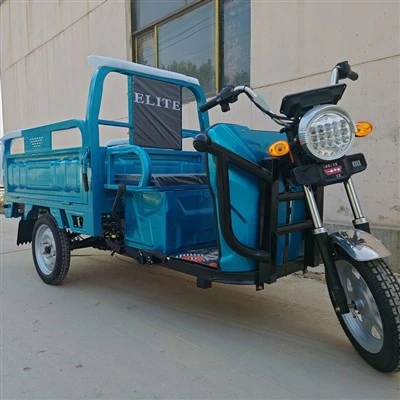
If you’re interested in learning more about our e-trike models, maintenance resources, or bulk pricing for your fleet, we’re here to help. Don’t hesitate to get in touch to discuss your specific needs.
Electric Mountain Bike References:
- Bicycle Maintenance and Repair, 8th Edition. Sheldon Brown’s Cycling Technical Resources.
- Electric Vehicle Supply Equipment Maintenance Guidelines, International Council on Clean Transportation.
- Chain Lubrication Best Practices for Commercial Two-Wheeled Vehicles, National Delivery Association.
Linyi Lanshan Merco Electric Bicycle Factory
Linyi Lanshan Merco Electric Bicycle Factory is one of the most professional electric tricycle manufacturers and suppliers in China, also supports customized service. Please feel free to wholesale CE approved electric tricycle made in China here and get pricelist from our factory. 1 years warranty is available.
Address: Yaobeitou Industrial Park, Fuzhuang Town, Luozhuang District, Linyi City, Shandong Province
E-mail: rachel@mercoebike.com
WebSite: https://www.mercoebike.com/
